Water Damage Remediation Solutions to Prevent Mold and Structural Deterioration

Water damage is one of the most destructive issues a property can face. From minor leaks to severe flooding, water intrusion can compromise structural integrity, damage personal belongings, and create a favorable environment for mold growth. Timely water damage remediation is essential to prevent long-term problems such as wood rot, weakened foundations, and health hazards associated with mold exposure. Understanding the causes of water damage, recognizing the warning signs, and implementing professional remediation solutions can safeguard your property and restore safety and functionality. Visit Website to talk to a professional now!

water damage

Understanding the Risks of Water Damage

Water damage occurs when excessive moisture infiltrates a building, affecting structural materials, finishes, and personal belongings. Even small amounts of water can escalate into major problems if left unaddressed. Over time, water can weaken foundations, warp flooring, deteriorate drywall, and compromise electrical systems. Additionally, stagnant moisture creates the perfect conditions for mold and bacteria growth, which can impact indoor air quality and pose serious health risks.

Preventing these issues requires quick action and professional remediation strategies. Early intervention minimizes property loss, protects structural components, and reduces the risk of mold-related health problems.

Common Causes of Water Damage

Understanding the source of water intrusion is critical for effective remediation. Common causes of water damage include:

  • Plumbing Failures – Burst pipes, leaking faucets, and faulty plumbing systems are frequent contributors to water damage.
  • Natural Disasters – Heavy rainfall, hurricanes, and flash floods can overwhelm drainage systems, resulting in water intrusion.
  • Roof Leaks – Damaged or deteriorating roofs allow rainwater to seep into attics, ceilings, and walls.
  • Appliance Malfunctions – Leaks from washing machines, dishwashers, or water heaters can cause significant water damage if not addressed promptly.
  • HVAC Issues – Condensation from air conditioning units or malfunctioning condensate lines can result in water accumulation in indoor spaces.
  • Poor Drainage – Improper grading or clogged gutters can direct water toward the foundation, increasing the risk of leaks and structural damage.

Identifying the source of water intrusion is essential for implementing the right remediation strategy and preventing future incidents.

The Dangers of Mold Growth and Structural Deterioration

Mold growth is one of the most significant risks associated with water damage. Mold can begin to develop within 24 to 48 hours of water exposure, spreading quickly across damp surfaces. Mold spores can affect indoor air quality and lead to health issues, including allergies, asthma, and respiratory infections.

Structural deterioration is another serious consequence. Water can weaken wood framing, warp floors, damage drywall, and corrode metal components. Prolonged exposure to moisture may compromise load-bearing elements, creating safety hazards and costly repair needs. Timely water damage remediation helps prevent these problems, protecting both the building and its occupants.

Professional Water Damage Remediation Solutions

Professional water damage remediation involves a comprehensive approach to remove water, dry affected areas, sanitize the environment, and restore the property. Expert services use advanced equipment and techniques to ensure effective and long-lasting results.

1. Water Extraction

The first step in any water damage remediation is the removal of standing water. High-powered pumps and wet vacuums are used to extract water quickly from affected areas. Rapid water removal reduces the risk of secondary damage, including structural weakening and mold growth.

2. Drying and Dehumidification

After extraction, the affected areas are thoroughly dried using industrial air movers, dehumidifiers, and fans. Moisture meters and thermal imaging cameras help identify hidden pockets of water within walls, floors, and ceilings. Proper drying prevents further deterioration of building materials and inhibits mold development.

3. Cleaning and Sanitization

Water-damaged areas are cleaned and sanitized to remove contaminants and prevent the growth of bacteria and mold. Surfaces such as walls, floors, and furniture are treated with antimicrobial agents, while personal belongings may be cleaned and deodorized. This step ensures a safe and healthy environment for occupants.

4. Structural Repairs and Restoration

In cases where water has caused significant damage, structural repairs may be necessary. This can include replacing drywall, flooring, insulation, or framing components. Professional restoration ensures that repairs are done correctly, restoring the property to its pre-damage condition and providing long-term protection against future water issues.

5. Mold Prevention

Preventing mold is a critical aspect of water damage remediation. Professionals identify areas at risk, remove contaminated materials, and apply mold inhibitors. Regular monitoring and proper drying techniques further reduce the likelihood of mold growth, safeguarding both health and property value.

Types of Water Damage and Remediation Needs

Water damage is classified into three categories, which influence the remediation approach:

  • Clean Water Damage – Comes from uncontaminated sources such as broken pipes or rainwater. This type of damage can typically be managed with standard extraction and drying techniques.
  • Grey Water Damage – Involves water that contains contaminants, such as from dishwashers or washing machines. Proper cleaning and sanitization are necessary to prevent health risks.
  • Black Water Damage – Results from sewage backups, floodwaters, or heavily contaminated sources. This requires specialized containment, removal, and decontamination procedures to ensure safety.

Professional remediation ensures that each type of water damage is addressed appropriately, protecting both property and occupants.

Preventive Measures to Minimize Water Damage

Preventing water damage is as important as remediation. Property owners can take several steps to reduce the risk of water intrusion and mold growth:

  • Regular Plumbing Inspections – Identify leaks, faulty pipes, or weak connections before they cause significant damage.
  • Roof and Gutter Maintenance – Inspect roofs for damage, repair leaks promptly, and ensure gutters are clear to direct water away from the property.
  • Proper Grading and Drainage – Ensure that landscaping directs water away from the foundation to prevent pooling or seepage.
  • Appliance Monitoring – Check appliances such as water heaters, washing machines, and dishwashers for leaks and maintain them regularly.
  • Moisture Detection – Install moisture sensors or leak detectors to catch problems early before they escalate.
  • Proper Ventilation – Maintain adequate airflow in basements, attics, and crawl spaces to prevent moisture buildup and reduce mold risk.

Implementing preventive measures significantly reduces the likelihood of water damage and protects the property from future issues.

Signs That Professional Remediation Is Needed

Water damage is not always obvious. Some signs indicating the need for professional intervention include:

  • Persistent dampness or standing water after a leak or flood.
  • Musty odors indicate potential mold growth.
  • Stains or discoloration on walls, ceilings, or floors.
  • Warping, buckling, or swelling of wood, flooring, or drywall.
  • Increased humidity or condensation in certain areas.
  • Structural weakening, such as sagging floors or bowing walls.

Professional assessment ensures accurate identification of affected areas and proper remediation to prevent long-term damage.

Choosing the Right Water Damage Remediation Service

Selecting a professional remediation service is crucial for effective recovery. Consider the following factors when choosing a provider:

  • Experience and Certification – Choose companies with experience in water damage restoration and proper certifications, such as IICRC credentials.
  • Rapid Response – Fast action is critical to minimize damage and prevent mold growth.
  • Advanced Equipment – Ensure the service uses industrial-grade pumps, dehumidifiers, and moisture detection tools.
  • Comprehensive Services – Opt for providers that handle water extraction, drying, cleaning, sanitization, and restoration.
  • Transparent Pricing and Guarantees – A reliable service provides clear estimates, warranties, and follow-up support.

A professional and reputable service guarantees efficient remediation, restoring property safety, functionality, and value.

Water damage can have serious consequences for both property and health, including structural deterioration, mold growth, and compromised safety. Timely and professional water damage remediation is essential for restoring affected areas, preventing mold, and protecting the integrity of the building.

Remediation solutions such as water extraction, drying, cleaning, sanitization, and structural repair ensure a comprehensive recovery. Preventive measures, including proper drainage, regular inspections, and moisture monitoring, further protect properties from future water damage.

Investing in professional water damage remediation services not only restores your property quickly and effectively but also safeguards health and provides peace of mind. Whether responding to minor leaks, appliance failures, or flooding, professional solutions deliver fast, thorough, and lasting property recovery, preserving both structural stability and indoor safety.

Visit our Professional Services Blogs

Smart Choice Plumbing And Air, Sanitize My Airducts, Bethesda Locksmith, Golden Coast Cleaners, Advanced Concrete Staining, Home Pool Cleaners, Brayhines Septic, Shaka Pool And Spa Cleaning,Mr Clean And Shine, Best Appliance Repair Long Beach, Gulf to Bay Water Remediation, Garage Door San Francisco, Richmond Flooring, Fence Builders Woodlands, Colorado Springs Auto, Fuel Frontlines, Expert 24 Option, Sacramento Roseville Real Estate, SLO Homes, Philadelphia Towing, State Powerwashing, Truck Tires Worldwide, Website Translation, Construction Company Farmington NM, Green Home Los Angeles, Trinity SEO Marketing, Electric Fireplaces, Argos Bookkeeping, Christopherson Drywall,Garage Door Installation, Missouri Personal Injury Lawyer Blog, Alvins Auto Body, Carpet Care Pros, Las Vegas Concrete, Clark Concrete Company, Deck Builders Missour City, Lechleitner Builders, Medical Health Insurance Policy, Royal Siding Windows, Carpet Steam Cleaners Review, Go Greeen Lawn Painting, Oakwood Skate Deck, Texas Home Remodeling And Painting, USA Home Repair Remodeling, Dream Home Remodeling Services, Brent Lawn Homes, Great Ernm Homes, Accelerated Orthodontic, Arctic Cooling And Heating, Baltimore Heating And Airconditioning


Two-Tone Painted Cabinets: A Trend Worth Trying

Two-tone cabinets are more than just a trend—they add depth and character to your kitchen. With endless options for color, wood tones, and finishes, they’re a design-forward choice that can elevate any space.

Cabinet Painting

Dark colors on lower cabinetry help ground the space, while white or light neutrals make the uppers feel airy and open. This creates an aesthetically balanced kitchen that feels modern and timeless. Visit Modesto Cabinet Painters for more information.

Traditional cabinetry is often designed to be neutral, relying on wood tone or white finishes and matching hardware. However, homeowners are increasingly experimenting with two-tone painting for a more customized look that will set their kitchen apart. House Digest spoke with Veronica Solomon, principal designer at Casa Vilora Interiors in Wynantskill, New York, to learn more about this trend and get her advice for those considering giving it a go.

When selecting a color for your two-tone cabinets, start by looking at the color wheel. Colors that are opposite each other on the wheel—like blue and green or red and yellow—are considered complementary, meaning they work well together. In addition, it’s a good idea to consider your flooring, countertops, and backsplash when choosing colors for the upper and lower cabinets. Stainless steel sinks are a popular option that can coordinate with both light and dark cabinet colors.

Some homeowners also choose to stain some of their lower cabinets while painting the rest, a design style known as a “tuxedo kitchen.” While this isn’t a color choice that will appeal to all buyers, it can create a sophisticated look that will feel classic and timeless.

Another option is to combine warm wood tones with white or even a soft pink for an eclectic look that’s both contemporary and fun. “It’s a way to add a pop of color without making it too bold,” Solomon says. “It’s also a great backdrop for characterful crockery and glassware.”

Styling Two-Tone Cabinets

Styling your two-tone cabinets can be challenging, but the right combination will create an eye-catching, balanced design. To keep the look cohesive, choose a lighter color for the backsplash and floor to tie the different shades together. Then, select a darker color for the island to create contrast and visual intrigue.

While the two-tone cabinet trend is having a moment, it’s important to remember that color matters when it comes to resale value. Soft neutrals and natural tones will likely be more appealing to buyers than high-contrast black and white or bold, trendy colors. Additionally, if your home has a lot of natural light, you may want to consider leaving the ceiling white to make the space feel larger.

Natural Light

Two-tone cabinets make a bold statement in kitchens that receive plenty of natural light. However, the success of this design element hinges on careful consideration of color relationships and intentional color distribution. Ideally, the lighter shade should appear on upper cabinets to brighten and elevate a room, while darker hues ground base cabinetry. This balance helps the overall look feel polished and calming, even in larger, more open spaces.

While a classic white-upper/dark-lower combination remains popular, homeowners are now branching out with more creative color pairings. Sage green upper cabinets, for example, pair with white or cream lowers to create a fresh, nature-inspired palette that feels both modern and timeless. In a well-lit kitchen, the green tones shift and intensify with the changing natural light throughout the day, making for a living, breathing color story that never feels too busy or overpowering.

Choosing an island cabinet in a standout shade, like emerald or charcoal, creates a striking focal point that draws the eye without overwhelming the rest of the kitchen. This technique can also help zone an open-plan layout by creating a clear visual connection between kitchen zones.

For those who want to try a more subdued approach, consider a light or grey-blue combination for upper cabinets with neutral shades on the lowers. This simple yet sophisticated combination is versatile and timeless, paired with stone, wood, or tile countertops.

A black-and-white combination is another go-to option that never goes out of style. The classic pairing pairs dramatic contrast with clean, crisp lines to create a sleek, high-end aesthetic with enduring market appeal.

As the popularity of two-tone painted cabinets continues to grow, kitchen designers are recommending that homeowners carefully consider the location and direction of their homes’ natural light. North-facing kitchens, for example, typically receive cooler, more consistent light that can cause warm colors to appear muted and cool shades to become more vibrant. To counteract this effect, it may be necessary to select a slightly warmer shade for the island cabinetry and a cooler tone for the base cabinets.

To keep your two-tone kitchen looking fresh and balanced, it’s important to choose cabinet brands that deliver quality craftsmanship and durable finishes. Brands like Shiloh, Waypoint, and Golden Home Cabinetry offer a variety of wood-grain and painted finish options that provide the diversity needed for successful mixed-material designs. Their attention to detail in both construction and finish application ensures long-lasting beauty, while their affordable price points make it possible for homeowners to achieve a high-end look within any budget.

Space

Cabinets are the focal point of kitchens, so homeowners often want them to be showstoppers. Two-tone painted cabinets can make a statement that defines the space and highlights details such as custom trims and woodworking. They’re a smart design choice that also provides flexibility for future updates.

While many homeowners choose to use different colors of paint to create a two-tone look, this trend can also be achieved through the use of varying shades or finishes of the same color. The color choices available are endless, and the result is still a dramatic impact on the kitchen’s visual aesthetic.

The key to successful two-tone cabinetry is balance and proportion. Symmetrical arrangements work well in traditional kitchen layouts and create formal, orderly compositions, but more contemporary approaches can benefit from asymmetrical balance that focuses on strategic color placement rather than mirror-image symmetry. The relationship between cabinet colors and other kitchen elements also influences balance. Dark countertops require darker cabinets than light ones, for example, to achieve proper contrast and visual grounding in the kitchen design.

Decorative elements such as backsplashes, lighting, and furniture should match or complement the colors of two-tone cabinets for a unified appearance. Achieving this design consistency across all decorative elements helps ensure that two-tone cabinets remain a stylish and sophisticated design option over time.

Homeowners are using the versatility of two-tone cabinetry to visually separate kitchen zones, creating distinct areas for food preparation and cooking while improving workflow and kitchen efficiency. A two-tone design can also be used to define kitchen features such as a breakfast bar or coffee station, providing additional functionality that increases the overall usability of the kitchen.

The bold colors and striking contrasts of two-tone cabinets offer a stylish and unique style that stands out from the crowd. The design flexibility offered by this trend also makes it a wise upgrade for existing kitchens, especially when the new paint color doesn’t require an entire overhaul. For example, painting an island in a vibrant shade like navy blue or olive green while keeping the surrounding cabinets white is a great way to add a pop of color without a major investment.

Budget

As a design trend that moves beyond a passing fad, two-tone painted cabinets offer a unique opportunity to personalize your kitchen space. However, this aesthetic requires careful coordination with countertops and backsplashes to create cohesive spaces. This approach offers a cost-effective way to add visual interest and dimension within open-concept living areas.

The popularity of this trend reflects homeowners’ desire to make their homes feel uniquely individualized without the expense of a major kitchen renovation. This design style also complements contemporary design philosophy, which emphasizes the importance of establishing distinct zones within large kitchen spaces. Two-tone cabinetry supports this philosophy by clearly defining different functions and highlighting the unique aesthetic of individual cabinets.

When implemented correctly, this design strategy also offers several practical benefits. For example, choosing lighter shades for upper cabinets can keep spaces feeling bright and airy, while darker shades work well on lower cabinetry to create visual contrast and ground the design. Additionally, using a neutral color like gray on the island helps conceal wear and tear that might otherwise detract from the overall look.

In addition to color, the finish of your cabinets plays a role in the effectiveness of your two-tone design. Glossy surfaces tend to reflect more light, making them easier to clean, while matte finishes are more durable and provide a timeless aesthetic. In addition, matching hardware can help tie your two-tone color scheme together.

Another popular option is to stain certain cabinet elements while painting others. This technique allows you to highlight natural wood grain and create a striking accent on a focal point such as an island or breakfast bar while maintaining white or neutral upper cabinets. Alternatively, you can choose to paint all of your cabinets, including the island, and pair them with a boldly eye-catching countertop or backsplash for a dramatic effect.

Bold green cabinet colors have emerged as one of the most compelling trends in 2025, combining nature-inspired hues with natural wood elements to create kitchens that feel both modern and rustic. Cooler green tones pair beautifully with light wood species, while warmer tones complement richer wood tones. This pairing successfully bridges the gap between rustic warmth and contemporary sophistication, ensuring that your kitchen feels beautifully balanced and cohesive.

Driveway Repair Cost – How Much Does It Cost to Repair Or Replace a Driveway?

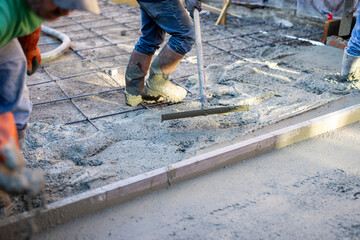
construction workers pouring and smoothing concrete driveway

The extent of driveway damage significantly influences repair costs. Structural issues cost more than filling minor cracks and potholes. Sinking areas that require foam, mud, or sandjacking are also more expensive than simple leveling.

Typically, if more than 25% of your driveway has damage, it’s time to call in the professionals. Other factors also influence repair prices. For reliable and affordable solutions, contact experts in driveway repair Nashville.

Cost of Materials

Driveway repair costs can vary widely, depending on the type of materials used. Concrete repair can cost $1 to $3 per linear foot, while asphalt repairs run a little higher at $100 to $500 on average. Filling in cracks or potholes costs around $5 to $10 for sealant and $8 to $30 for ready-mix patching compounds. Repairing surface damage like ruts, small holes and fading color with gravel or stone is less expensive at around $2 to $4 per square foot.

A damaged driveway is not only unsightly, but it can also cause safety problems and damage vehicles. It’s a good idea to call a professional to inspect your driveway and determine the best course of action. Whether you need to repair minor cracks, resurface the entire driveway or replace it entirely, getting estimates from multiple contractors will help you budget accurately for your project.

The best way to estimate your driveway repair costs is to consult with a professional contractor that has experience with your particular material and type of damage. A reputable company will provide references, a portfolio of past work and a detailed written estimate. In addition, they should be properly licensed and insured, and offer a warranty on their work.

Generally, repairing a concrete driveway makes more sense than replacing it. However, if your driveway has recurring problems, such as sinking sections of concrete, it may be time to consider replacement. In these cases, it’s best to hire a concrete contractor for a full inspection and replacement estimate.

A new driveway can offer more than just a place to park your car or trailer. You can upgrade its look to match your home, add curb appeal or even make it safe for winter weather by adding a heated surface. Repaving a driveway can also be a great opportunity to expand its size, improve drainage and soil erosion issues, or switch from a traditional concrete slab to a more stylish paver option. However, be sure to budget for additional installation and maintenance costs before committing to a repaving job.

Cost of Labor

The cost of labor to repair or replace your driveway can vary based on the type of work needed and how extensive the damage is. If you’re dealing with recurring problems like sinking slabs or cracks, these issues may be beyond repair and require a full replacement instead of patching and resurfacing. In these cases, the economics of scale often favor replacement and can save you thousands in the long run.

Generally, the more expansive the repairs are, the higher your costs will be. Whether it’s filling surface cracks, installing an entire new concrete section or even replacing a sunken driveway slab, professional contractors can handle these jobs more efficiently than homeowners with limited experience. In addition, professional repair services are able to address underlying structural issues and ensure that the finished job is of high quality.

However, hiring a pro doesn’t always guarantee the best results or lowest price. Contractor prices can swing wildly, especially for complex projects, so always get multiple quotes before making a decision. Ultimately, the quality of the installation and materials matters more than saving a few hundred dollars upfront.

In addition to the material costs, you’ll also need to consider labor and travel expenses when calculating your overall repair or replacement cost. Most contractors will charge a minimum service fee of $100 to $250 to cover their time and equipment for the trip to your home.

Cracks are inevitable in any driveway, but if you catch them early and repair them before they become worse, you can significantly extend the lifespan of your concrete or blacktop driveway. Make it a point to inspect your driveway monthly for damage and check more frequently after heavy rains or other harsh weather events.

Small, shallow cracks and potholes can be repaired with resurfacing or asphalt repair products for about $1 per square foot, including the cost of the materials. However, if you’re considering upgrading your driveway to eco-friendly pavers or you’re dealing with recurring sinking sections, these projects are usually more costly and might require the help of a professional.

Cost of Permits

Whether to repair or replace a driveway is not a simple decision. Driveways are a vital component of your home’s curb appeal and functionality, so it’s important to choose the right solution for each situation. Several factors influence this decision, including the size and severity of damage. For example, surface cracks and minor potholes can usually be repaired with resurfacing or filling, but extensive structural damage may require replacement.

A professional evaluation from LevelUp can help homeowners make a wise choice that maximizes longevity. A LevelUp technician can assess underlying conditions that might not be apparent to the untrained eye, such as tree roots or extreme weather conditions. This information helps homeowners avoid expensive repairs and long-term replacement costs.

If your driveway is showing signs of deterioration, it’s time to consider a complete replacement. Structural problems, such as alligator cracking, often indicate that the existing structure is beyond repair. In addition, cracks that are too wide can allow water to seep in and weaken the foundation over time, which can lead to further problems.

When deciding on a repair or replacement, it is also important to consider your budget and timeline. It is generally better to fix small cracks before they widen, and a routine sealant can help extend the life of your driveway. In addition, it is important to ensure that your driveway drains properly. Water that pools can damage the surface and cause structural issues, so it’s important to ensure your driveway slopes slightly away from your house.

It is also recommended to add a border made from concrete, stone pavers, or bricks to the edge of your driveway. This will keep it from shifting and cracking over time, and it will also enhance the appearance of your home.

It is important to note that building permits are required for most construction, renovation, and repair work in New York City. However, the cost of filing a permit varies depending on your project type and scope. You can use the embedded calculator to estimate NYC DOB fees in seconds. This tool is intended for general guidance only and should not be relied on for accurate pricing, filing dates, or approval times.

Visit our Professional Services Blogs

Chris Atkins Lawncare, Atticus Landscaping, Treasure Coast Pressure Wash, Gulf Beach Plumbing, Marlborough Plumbing, Guns And Hoses Pressure Washing, Ambrose Construction, Coral Gables Pressure Washing, Willco Photography, Roofing Akron, Danalogsdon Roofing El Cajon, EC Siding Roofing Windows, Aurora Gutter, American Insurance Source, ECO, etdn, Denison Service League,  Roofing Blog, Atlantic Vinyl Windows, Brookshires Fireplaces, JD Advanced Remodeling, Product Judgment, Master Dry Foundation Repair, Moe’s Hip, Elta Patio Paramount, Rock Around The Clock Festival, Learn, Play, Beyond, MoralesT Gardening, Car Window Tinting Perth, Duncan Carpentry, Gatestone Lighting, Mid Missouri Mold Inspections, Stucco Repair Albuquerque, Wausau Siding Hire, Munster Tree Care, Blue Granite Homes, Custom House, CENTRAL OS, Atlanta Pavers, Phillips Law Firm, Brent Ryder MasonryWalker Construction Drywall Division, RJ Law, Caledon Plumbing, DDS Tech USA, Maine Mortgage Services, Inckpen, Seasons at Rose Creek, Cottonwood Place Dental, Cosmetic Laser 2000 

How to Use Beams and Joists in Deck Building

Before you build your deck, check with local building authorities to find out what setbacks and permit requirements exist for raised decks. Also, learn the location of your property line so you don’t accidentally build over it.

Deck Building

Focus on characters and a gold engine, and be sure to include some type of locations for your character engine. Avoid attachment hate and location hate, too – these can wreak havoc on your overall win percentage. Contact Deck Builders Murfreesboro TN for professional help.

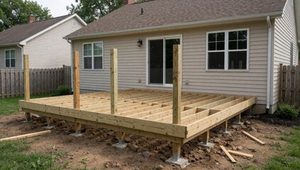
In the world of building, beams are structures that primarily resist loads applied laterally across their lengths. Beams are commonly associated with structural engineering, but any structure that requires lateral support can benefit from the use of a beam. These structures include buildings, machine frames, automobile components, and more.

When it comes to deck building, beams are an integral component in creating a safe and sturdy structure that can withstand the load of people and furniture. When properly designed and built, a deck’s beams can help create an open-concept space while maintaining its structural integrity. Beams also provide a critical role in deck-to-post connections, distributing weight throughout the deck and preventing stress from being concentrated on any one area.

To ensure your deck’s beams are strong and safe, they must be sized correctly to handle the weight you’ll place on them. Incorrectly sizing your beams can lead to sagging, which reduces the deck’s lifespan and safety. To avoid this, be sure to follow the manufacturer’s guidelines and check your local building codes when determining beam span requirements.

There are a few factors that determine how far a beam can safely span, including the type and size of lumber used, its strength, and the weight it must carry. Beams made of stronger wood types or higher-grade lumber can often span longer distances without sagging. In addition, the length of joists placed between each beam should be considered when calculating beam spans. Longer joists increase the amount of weight a beam must support, and not factoring this in can result in under-sized beams that aren’t up to the task.

In addition to choosing the right wood type and size, you must also install blocking in a zigzag pattern between joists to prevent them from shifting under pressure. Blocking should be installed every 4′ to 6′ in a zigzag pattern. It’s also a good idea to use metal connectors when connecting the beams to the posts to further increase the strength of your deck’s frame. This will not only prevent bending and twisting, but it will also keep your deck safe from the effects of a seismic event.

Joists

Joists are the structural elements that support your deck’s frame and boards. They’re responsible for carrying the weight of your deck, furniture and other items placed on it, as well as the pressure of foot traffic. The joists span outward from the beams, which distributes the weight to a large area rather than one single point. Joists are typically made from timber, such as a treated softwood that’s preservative-treated for ground contact and rated to Use Class 4.

The joists are spaced evenly apart, which helps prevent excessive stress or deflection over time. A joist is also built with a deeper cross section, which allows it to carry a greater amount of weight before buckling or failing. Joists can either be nailed directly to the deck’s ledger boards or fastened to the concrete foundation using structural screws.

When it comes to joists, bigger is better. Having more of them means that your floor or ceiling will be able to handle heavier loads without sagging. For the same reason, larger joists require more material and are more expensive than their smaller counterparts.

In addition to their load-bearing capacity, joists must also be durable and weatherproof. This is especially important for decks in coastal regions, where exposure to the elements can cause them to rot or damage over time. To ensure that your deck is safe and stable, make sure to perform regular inspections of the frame and all components.

There are different types of joists, depending on the needs of your project. For example, some joists are shaped to match the slope of your deck, which can be useful for projects with a shallower slope. Similarly, some joists are designed to be used as beams for porches or balconies.

Joists are often installed with blocking, which is pieces of lumber or a wood block that’s installed between joists. This is essential to the anatomy of a deck, as it provides additional stability and prevents twisting or movement over time. It also distributes the load evenly across multiple joists, which can help to reduce sagging or warping of your deck over time.

Posts

Posts serve a dual purpose in deck construction: they transfer the weight of the deck and anything on it (people, furniture, snow) to the ground and help prevent sagging or structural failure. They’re typically made of treated lumber, although steel supports are sometimes used for higher decks.

A deck’s load requirements, design, and where it’s built will determine post size. Posts sit under the deck beams and connect to concrete footings that are sunk into the ground. The larger the deck’s load requirement, the taller the posts need to be.

Ideally, a post should be made from pressure-treated southern yellow pine. It should have a label that states it’s suitable for ground contact and should be pre-treated to minimize the risk of termite infestation and wood rot. A quality deck builder will know the exact size and type of posts required for a given project and install them correctly. Using a post level, the builder can check that each post face is plumb before installing.

Spacing between support posts is also an important consideration. Too far apart, a deck will sag; too close, it’ll require extra diagonal bracing and may fail under load. Check with your local building codes and consult a span table to determine the maximum distance between post locations, depending on joist size and span and deck height.

Screw Pile

A foundation is one of the most important parts of any structure, and a deck is no exception. Without a strong foundation, even the most impressive building can crumble in a heartbeat. Using screw piles for your deck can ensure that your foundation will be durable and long-lasting. Screw piles are also more resilient to weather-related damage, like freezing temperatures and storms, than concrete.

Screw piles are also easier to install than concrete foundations. When it comes to deck building, time is money, and having a system that saves you time can help reduce costs and increase productivity. Unlike poured concrete, screw piles don’t require time to set or cure, so you can start building your deck as soon as the piles are installed. This is especially helpful in Winnipeg, where the temperature can drop drastically in the winter and it’s not possible to pour concrete at all during that period.

How Do Screw Piles Support a Deck?

Screw piles, also known as helical piles in the north, are an efficient and cost-effective foundation option for your new deck. They are long, steel shafts that have helixes at the top, and they are rotated into the ground by earth-moving machinery. They can be anchored into various types of soil, and their design is flexible to accommodate different load requirements.

Unlike traditional drilled piles, screw piles are designed to penetrate deep into the ground. They bypass soft soil top layers and anchor into firm ground beneath, ensuring that your foundation will be strong and stable for years to come. They also distribute your building’s weight over a larger area of the ground, so it’s less likely to sink or move over time.

Another benefit of screw piles is that they are more environmentally friendly than drilled or driven piles. The process of installing a screw pile involves less digging and muck-away than drilled or driven piles, so it reduces the environmental impact of your project. Screw piles also have a lower embodied energy and work well in a variety of soil conditions, which makes them an excellent choice for remote sites.

Shaping the Future Through the Art of Construction

Construction is one of the oldest and most essential industries in human history. From the first shelters built thousands of years ago to the towering structures and intricate infrastructure of today, construction has always been about transforming visions into reality. It is more than bricks, steel, and concrete; it’s the craft of designing, planning, and building the spaces where we live, work, and connect.

This article explores the essence of construction, its processes, its impact on communities, and why quality craftsmanship and planning are vital to every successful project—all without mentioning specific names, brands, or places.

construction

The Foundation of Progress

Construction is at the heart of development. It drives economies, creates jobs, and shapes the physical landscape of societies. Roads, bridges, homes, schools, hospitals, and workplaces all rely on construction to exist. Beyond creating structures, it provides the framework for growth, safety, and innovation.

Every building or infrastructure project begins with an idea—a vision of what could be. Through planning, design, and execution, that vision becomes a tangible structure, serving individuals and communities for decades.

Key Phases of Construction

Although every project is unique, most follow a similar series of steps to ensure success:

  • Planning and Design – Architects, engineers, and planners collaborate to create blueprints that meet functional, safety, and aesthetic requirements. This stage also includes budgeting, scheduling, and securing necessary approvals.
  • Site Preparation – Before building begins, the site is cleared, leveled, and made ready for construction. This often includes soil testing, grading, and setting up utilities.
  • Foundation and Structural Work – Strong foundations are crucial for any structure. Builders pour concrete, erect support systems, and frame the structure according to design.
  • Installation of Systems – Electrical, plumbing, heating, and cooling systems are added to make the building functional.
  • Finishing and detailing – Interior and exterior finishes, such as painting, flooring, and landscaping, complete the project and bring the vision to life.

Following these phases carefully ensures the final structure is safe, durable, and meets expectations.

The Importance of Quality and Safety

Two pillars define any successful construction project: quality and safety.

  • Quality – High-quality materials and skilled workmanship ensure buildings are strong, efficient, and long-lasting. Cutting corners on materials or craftsmanship can lead to costly repairs or safety hazards down the road.
  • Safety – Construction sites can be hazardous, so safety protocols are essential. Protective gear, training, and strict adherence to safety standards protect both workers and the public.

By prioritizing these two elements, construction professionals create spaces that are both beautiful and reliable.

Different Types of Construction

Construction covers a wide range of projects, each with its own requirements and challenges:

  • Residential Construction – Building homes, apartments, and other living spaces for individuals and families.
  • Commercial Construction – Creating offices, retail spaces, and service facilities where businesses operate.
  • Industrial Construction – Constructing warehouses, factories, and specialized facilities to support manufacturing and production.
  • Infrastructure Construction – Building roads, bridges, water systems, and other public works that keep communities running smoothly.

Each type requires specific expertise, materials, and planning to meet the unique demands of the project.

Sustainability in Modern Construction

Today’s construction industry is increasingly focused on sustainability. This involves using eco-friendly materials, reducing waste, and designing energy-efficient buildings. Sustainable construction benefits both the environment and the people who use the spaces by:

  • Lowering energy and water consumption.
  • Reducing pollution and waste.
  • Creating healthier indoor environments.

As awareness of environmental issues grows, sustainable practices are becoming the standard rather than the exception.

The Role of Technology in Construction

Advancements in technology are transforming the way construction projects are planned and executed. Tools such as 3D modeling, drones, and project management software make it easier to design, coordinate, and monitor progress. Benefits include:

  • More accurate designs and cost estimates.
  • Improved communication among teams.
  • Faster identification of potential issues.

Technology enhances efficiency and quality, helping projects stay on schedule and within budget.

The Value of Skilled Professionals

Construction relies on a diverse team of skilled professionals. Architects, engineers, project managers, and skilled tradespeople all contribute their expertise to bring a project to life. This collaboration ensures:

  • Designs meet safety and regulatory standards.
  • Materials and techniques are appropriate for the environment.
  • The final product matches the original vision.

Skilled professionals are the backbone of the construction industry, ensuring every project is built to last.

Budgeting and Timelines

Effective budgeting and scheduling are essential to successful construction projects. Without careful planning, costs can spiral, and deadlines can slip. Professionals use detailed project plans to:

  • Estimate costs for materials, labor, and permits.
  • Allocate resources efficiently.
  • Adjust schedules when unexpected challenges arise.

Clear communication with all stakeholders keeps projects on track and prevents costly surprises.

Construction’s Impact on Communities

Beyond individual buildings, construction shapes entire communities. New housing developments, schools, and public infrastructure improve the quality of life and create growth opportunities. Well-designed and executed projects can revitalize neighborhoods, attract investment, and foster a sense of pride among residents.

When done responsibly, construction leaves a lasting positive legacy, benefiting not just today’s population but also future generations.

Investing in Quality Construction

For property owners and developers, investing in quality construction is an investment in the future. Durable, efficient, and well-designed buildings:

  • Hold their value over time.
  • Require less maintenance and fewer repairs.
  • Offer better safety and comfort for occupants.

Choosing experienced professionals and prioritizing quality at every stage helps ensure a project’s success.

Building a Better Tomorrow

Construction is far more than the act of building. It’s about shaping the spaces where life happens, from homes and workplaces to the infrastructure that supports daily activities. By focusing on quality, safety, sustainability, and collaboration, construction professionals create structures that stand the test of time.

In an ever-changing world, construction remains a constant force for progress, innovation, and connection. Whether it’s a new home, a commercial building, or a public project, each structure tells a story of vision, planning, and craftsmanship. Through construction, we don’t just build walls and foundations—we build the future.

When Do You Need a Dumpster Rental?

Dumpster Rental

At some point, almost every homeowner, business owner, or contractor faces a project that creates more waste than regular trash services can handle. Whether it is a renovation, a major cleanout, or a construction job, managing debris efficiently becomes a priority. This is where dumpster rental becomes an essential solution.

Knowing when you need a dumpster rental can save time, reduce stress, and keep your project organized from start to finish. Contact your local Mt Pleasant Roll Off Rental company for more information.

Understanding the Purpose of Dumpster Rental

Dumpster rental provides a temporary waste container that is delivered to your location and removed once it is full or the project is complete. It is designed for situations where large volumes of waste are generated over a short period of time. Instead of relying on curbside trash pickup or making repeated trips to a landfill, a dumpster offers a centralized and convenient disposal option.

The purpose of dumpster rental is to simplify waste management while maintaining safety and cleanliness. When debris accumulates quickly, having a designated container prevents clutter, reduces hazards, and allows work to continue efficiently.

During Home Renovation and Remodeling Projects

One of the most common times to need a dumpster rental is during home renovation or remodeling projects. Even small renovations can produce surprising amounts of debris. Old cabinets, drywall, flooring, fixtures, and packaging materials quickly add up.

Kitchen and bathroom remodels are especially waste heavy projects. Removing countertops, appliances, tile, and plumbing materials creates bulky and heavy debris that standard trash bins cannot handle. A dumpster rental allows these materials to be disposed of immediately, keeping the workspace clean and organized.

Larger remodels or whole house renovations almost always require a dumpster due to the volume of waste involved. Without one, debris piles can slow progress and create safety concerns.

When Cleaning Out a Home or Property

Major cleanouts are another clear sign that a dumpster rental is needed. Over time, homes accumulate items that are rarely used or forgotten altogether. Cleaning out a garage, basement, attic, or storage space can result in large quantities of junk and unwanted items.

Estate cleanouts often involve clearing an entire home filled with decades of belongings. Furniture, clothing, papers, and household goods must be sorted and removed efficiently. Dumpster rental provides the capacity needed to handle this process without repeated disposal trips.

Moving is also a common time to rent a dumpster. Downsizing or decluttering before a move reduces the number of items that need to be packed and transported, saving time and money.

For Roofing and Exterior Projects

Roofing projects generate heavy and bulky debris, making dumpster rental almost essential. Old shingles, underlayment, nails, and damaged materials accumulate quickly during roof replacement or repair.

Trying to dispose of roofing debris through regular trash services is often impractical and may violate local regulations. A dumpster rental allows roofers and homeowners to dispose of materials safely and efficiently.

Exterior projects such as siding replacement, deck removal, or fence installation also produce significant waste. Having a dumpster on site keeps the area safe and organized throughout the project.

During Construction and Demolition Work

Construction and demolition projects almost always require dumpster rental. These projects produce large volumes of debris such as wood, concrete, metal, drywall, and insulation. Managing this waste without a dumpster is inefficient and unsafe.

For demolition work, a dumpster is critical for containing debris and maintaining a safe site. It allows waste to be removed as it is generated, preventing buildup and hazards.

Construction sites that stay clean and organized operate more efficiently. Dumpster rental supports productivity by providing a reliable waste management solution.

Landscaping and Yard Cleanup Projects

Large landscaping projects often require dumpster rental due to the volume of organic waste produced. Removing trees, shrubs, sod, or large amounts of soil creates debris that cannot be handled by standard yard waste services.

Seasonal yard cleanups can also benefit from a dumpster, especially after storms or major property maintenance. Branches, leaves, and damaged materials can be disposed of quickly and efficiently.

Dumpster rental helps maintain a clean and safe outdoor space while allowing landscaping projects to progress smoothly.

Commercial and Business Cleanups

Businesses often need dumpster rental during renovations, relocations, or major cleanups. Office moves generate waste such as old furniture, cubicles, electronics, and documents. Retail renovations produce packaging materials, fixtures, and construction debris.

Warehouse cleanouts and property maintenance projects also create large amounts of waste. Dumpster rental allows businesses to manage disposal efficiently while minimizing disruption to operations.

For commercial projects with tight timelines, having a dumpster on site helps keep work moving without delays.

When Regular Trash Pickup Is Not Enough

If your project produces more waste than your regular trash service can handle, it is a clear sign that you need a dumpster rental. Overflowing trash bins, missed pickups, or complaints from neighbors are indicators that standard disposal methods are insufficient.

Many municipalities have limits on the amount and type of waste that can be placed at the curb. Exceeding these limits can result in fines or refusal of service. Dumpster rental ensures compliance with local regulations and avoids these issues.

When Safety and Organization Matter

Safety is a major factor in deciding to rent a dumpster. Loose debris scattered around a property creates tripping hazards, attracts pests, and increases the risk of injury. Sharp materials such as nails, glass, or metal can be especially dangerous.

A dumpster keeps waste contained and reduces hazards. This is important for households with children or pets, as well as for job sites with multiple workers.

Organization also improves efficiency. When waste has a designated place, projects progress more smoothly and cleanup becomes manageable.

When You Want to Save Time and Effort

Time is valuable, and managing waste inefficiently can slow down any project. Without a dumpster, individuals often spend hours loading vehicles, driving to disposal facilities, and unloading waste. This time adds up quickly.

Dumpster rental eliminates these trips by handling waste removal in one step. This allows homeowners, contractors, and businesses to focus on the task at hand rather than disposal logistics.

For projects with deadlines, this time savings can make a significant difference.

When You Need Flexible Waste Disposal

Dumpster rental offers flexibility that standard trash services cannot. Rental periods can be adjusted to match the project timeline, whether it lasts a few days or several weeks. This adaptability is especially useful for projects with unpredictable schedules.

If a project takes longer than expected, many rental companies allow extensions. This flexibility ensures waste management remains consistent throughout the project.

When Dealing With Large or Bulky Items

Certain items are difficult or impossible to dispose of through regular trash pickup. Furniture, mattresses, appliances, and construction debris often require special handling.

Dumpster rental provides a solution for disposing of bulky items safely and efficiently. The open top design of many dumpsters makes loading large items easier and less physically demanding.

Environmental and Responsible Disposal Needs

Dumpster rental companies often work with disposal facilities that sort and recycle materials when possible. This supports responsible waste management and reduces landfill use.

For projects that generate recyclable materials, dumpster rental provides a structured way to handle disposal responsibly. Choosing a rental provider that prioritizes recycling supports environmental goals.

Choosing the Right Time to Rent a Dumpster

The best time to rent a dumpster is before waste begins to accumulate. Planning ahead ensures the dumpster is available when needed and prevents delays. Scheduling delivery at the start of a project allows disposal to happen immediately, keeping the site clean from day one.

Waiting too long to rent a dumpster can result in clutter, safety issues, and inefficiencies. Early planning supports smoother project execution.

Final Thoughts on When You Need a Dumpster Rental

Dumpster rental is needed whenever a project produces more waste than standard disposal methods can handle. From home renovations and cleanouts to construction, landscaping, and commercial projects, dumpsters provide an efficient and safe waste management solution.

Recognizing the signs that you need a dumpster rental helps prevent unnecessary stress and delays. By planning ahead and choosing the right dumpster for your project, waste disposal becomes simple, organized, and efficient, allowing your project to move forward without interruption.

Why Buyers Should Attend the Home Inspection

Should Buyers Attend the Home Inspection

There are many things to consider during the home buying process. From touring homes to making offers, there’s a lot to keep track of.

Home inspections are an important part of the purchasing process. Home Inspection San Antonio can reveal significant repairs needed, potential oversights by the builder, and general maintenance required to keep the property in good condition.

1. It’s Your Due Diligence

Homebuyers should always take steps to ensure that they’re making a sound financial decision. Home inspections are one way to do this. Inspectors can uncover safety issues or maintenance concerns that can create problems down the road, saving buyers money in the long run.

Buyers should be present for the entire inspection so that they can learn as much as possible from the inspector. They can also ask questions and get clarification as needed. If a buyer is not happy with the inspection, they can request a refund from the inspector, as long as it’s within the homebuying contingency period.

Many real estate agents also attend the home inspections for moral support and to see how their clients react to the report. This can help the agent understand what their client is going through and what to expect when it comes to buying a home.

Buyers often ask to review the inspector’s findings afterward, as they may not understand the technical language used in the report. Attending the inspection in person can make this process easier and more clear. The buyer can then use the information they’ve learned to negotiate with the seller and move forward with their homebuying process.

When a home inspector finds major issues, they can alert the buyer right away. This gives the buyer time to think about their options, including requesting a price decrease or credit on the property or asking the seller to make repairs before closing.

The seller must allow the buyers to verify that the seller has made the required repairs or do a walk-through before the end of the due diligence period, as outlined in the standard agreement of sale. If a seller fails to do so, this could be considered a breach of contract.

Home inspections can reveal significant issues that may be costly, or just general maintenance needed to keep the house in good shape. In either case, the goal of the inspector is to leave the client with a deeper understanding of their prospective home, helping them decide how to proceed with their purchase.

2. It’s a Good Opportunity to Ask Questions

Home inspectors don’t just report on the condition of a home; they also offer advice and information about how to maintain it. This can include recommendations about upcoming expenses, such as roof replacement or updates to the kitchen or bathrooms. Moreover, inspectors can flag safety issues, such as tripping hazards or not enough smoke detectors and carbon monoxide sensors.

These kinds of details are important to buyers and can help them decide if the home is right for them. That’s why it makes sense for buyers to be present during the inspection. Buyers can ask the home inspector questions about the report and get a better understanding of the home’s condition.

While buyers should be respectful and avoid distracting or obstructing the inspector, they shouldn’t hesitate to speak up with any concerns. A good home inspector will explain things in a way that’s easy for buyers to understand.

Buyers can also use their questions to gain leverage in the negotiations process. If there are serious problems discovered, they can renegotiate with the seller, request repairs or even walk away from the deal entirely, as long as their contract includes an inspection contingency.

Many real estate agents encourage their clients to attend the inspection, claiming that it’s a great opportunity to point out anything that might have been missed. While these agents have good intentions, they can actually cause a lot of harm by interfering with the inspection. Not only does this get in the way of a complete and accurate inspection, but it can also give buyers the impression that they’re just as qualified as the home inspector.

Buyers should always make sure that they’re accompanied by an experienced home inspector, who can be trusted to provide them with the best service. A professional will be able to answer any questions that they may have about the property, as well as help them make an informed decision about whether to buy the home or not. They can also recommend any specialists who might be able to conduct additional, specialized inspections of the property.

3. It’s a Good Opportunity to Learn

Home inspections often uncover problems that might have gone unnoticed. For example, roof damage can range from a few missing shingles to widespread water leaks or even structural issues that could lead to future problems. It’s important for buyers to understand these issues so they can make informed decisions about their potential purchases. Inspectors can also highlight maintenance needs that will likely be costly but can help homeowners avoid unforeseen expenses in the long run.

While it’s possible to read an inspection report without being present, attending the inspection offers a different learning experience. The report may be lengthy and full of technical jargon, but being there will give you a visual reference that makes it easier to understand the issues. It will also give you a sense of how to prioritize the repairs and improvements that need to be made.

Buyers who don’t attend the inspection might not know what questions to ask, which can limit their understanding of the findings. They might also miss the opportunity to ask the inspector to explain any issues in more detail. It’s worth the time and money to be at the inspection to maximize the benefits of this important step in buying a home.

If the inspection finds serious issues, a buyer can renegotiate with the seller, request that the seller make repairs or, in some cases, walk away from the sale altogether (provided their contract includes a home inspection contingency). Buyers who attend the inspection are better prepared to discuss these options with sellers and can feel confident they’re making an informed decision about a property they will be living in for years to come.

Some real estate agents will attend the home inspection with their clients as a way to point out issues they might have overlooked or try to add value to a property by highlighting its positive aspects. However, this practice is generally discouraged because it’s an unprofessional and potentially dangerous move. Climbing up on the roof or diving into crawl spaces is not an agent’s specialty, and they might inadvertently mislead their client or cause misunderstandings.

4. It’s a Good Opportunity to Get Moral Support

The home inspector is an impartial third party who can provide unbiased opinions and educate you on what the home really looks like. They are trained to recognize subtle warning signs that you might miss, such as early signs of water intrusion or improper wiring. They typically belong to national organizations that set high standards for quality and ethics. Your agent should have provided recommendations for at least 3 inspectors for you to choose from. Be sure to interview them and decide who is best for you.

Emotional attachments to a property can lead to defensive reactions or unintentional interference during an inspection, which is why it’s generally better for sellers to step aside. Buyers who are emotionally detached can focus more on the details of the inspection and gather important information without any distractions.

If a major issue, such as a leaky roof or a foundation that is shifting, is discovered during the inspection, it gives buyers leverage to negotiate with the seller and may even allow them to walk away from the deal altogether if they feel it isn’t a good fit for them. However, if the issue is minor and not something that would affect the buyer’s decision to buy, it’s usually best for everyone involved if the seller simply repairs the problem on their own.

While there are no laws or rules prohibiting sellers from being present during a home inspection, it’s generally considered best practice to let them step aside and give the inspector space to work without interruption. It’s also a good idea to avoid following the inspector around the property; this is that tacky client that every professional hates and doesn’t want to work with again. Just be a supportive witness, let them know you’re there and that you appreciate their work, but otherwise, stay out of the way. It’s your money paying for the inspection, after all. Don’t waste it!

Navigation