Author: Constance Howell

Water Damage Remediation Solutions to Prevent Mold and Structural Deterioration

Water damage is one of the most destructive issues a property can face. From minor leaks to severe flooding, water intrusion can compromise structural integrity, damage personal belongings, and create a favorable environment for mold growth. Timely water damage remediation is essential to prevent long-term problems such as wood rot, weakened foundations, and health hazards associated with mold exposure. Understanding the causes of water damage, recognizing the warning signs, and implementing professional remediation solutions can safeguard your property and restore safety and functionality. Visit Website to talk to a professional now!
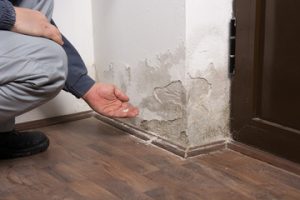
water damage

Understanding the Risks of Water Damage

Water damage occurs when excessive moisture infiltrates a building, affecting structural materials, finishes, and personal belongings. Even small amounts of water can escalate into major problems if left unaddressed. Over time, water can weaken foundations, warp flooring, deteriorate drywall, and compromise electrical systems. Additionally, stagnant moisture creates the perfect conditions for mold and bacteria growth, which can impact indoor air quality and pose serious health risks.

Preventing these issues requires quick action and professional remediation strategies. Early intervention minimizes property loss, protects structural components, and reduces the risk of mold-related health problems.

Common Causes of Water Damage

Understanding the source of water intrusion is critical for effective remediation. Common causes of water damage include:

  • Plumbing Failures – Burst pipes, leaking faucets, and faulty plumbing systems are frequent contributors to water damage.
  • Natural Disasters – Heavy rainfall, hurricanes, and flash floods can overwhelm drainage systems, resulting in water intrusion.
  • Roof Leaks – Damaged or deteriorating roofs allow rainwater to seep into attics, ceilings, and walls.
  • Appliance Malfunctions – Leaks from washing machines, dishwashers, or water heaters can cause significant water damage if not addressed promptly.
  • HVAC Issues – Condensation from air conditioning units or malfunctioning condensate lines can result in water accumulation in indoor spaces.
  • Poor Drainage – Improper grading or clogged gutters can direct water toward the foundation, increasing the risk of leaks and structural damage.

Identifying the source of water intrusion is essential for implementing the right remediation strategy and preventing future incidents.

The Dangers of Mold Growth and Structural Deterioration

Mold growth is one of the most significant risks associated with water damage. Mold can begin to develop within 24 to 48 hours of water exposure, spreading quickly across damp surfaces. Mold spores can affect indoor air quality and lead to health issues, including allergies, asthma, and respiratory infections.

Structural deterioration is another serious consequence. Water can weaken wood framing, warp floors, damage drywall, and corrode metal components. Prolonged exposure to moisture may compromise load-bearing elements, creating safety hazards and costly repair needs. Timely water damage remediation helps prevent these problems, protecting both the building and its occupants.

Professional Water Damage Remediation Solutions

Professional water damage remediation involves a comprehensive approach to remove water, dry affected areas, sanitize the environment, and restore the property. Expert services use advanced equipment and techniques to ensure effective and long-lasting results.

1. Water Extraction

The first step in any water damage remediation is the removal of standing water. High-powered pumps and wet vacuums are used to extract water quickly from affected areas. Rapid water removal reduces the risk of secondary damage, including structural weakening and mold growth.

2. Drying and Dehumidification

After extraction, the affected areas are thoroughly dried using industrial air movers, dehumidifiers, and fans. Moisture meters and thermal imaging cameras help identify hidden pockets of water within walls, floors, and ceilings. Proper drying prevents further deterioration of building materials and inhibits mold development.

3. Cleaning and Sanitization

Water-damaged areas are cleaned and sanitized to remove contaminants and prevent the growth of bacteria and mold. Surfaces such as walls, floors, and furniture are treated with antimicrobial agents, while personal belongings may be cleaned and deodorized. This step ensures a safe and healthy environment for occupants.

4. Structural Repairs and Restoration

In cases where water has caused significant damage, structural repairs may be necessary. This can include replacing drywall, flooring, insulation, or framing components. Professional restoration ensures that repairs are done correctly, restoring the property to its pre-damage condition and providing long-term protection against future water issues.

5. Mold Prevention

Preventing mold is a critical aspect of water damage remediation. Professionals identify areas at risk, remove contaminated materials, and apply mold inhibitors. Regular monitoring and proper drying techniques further reduce the likelihood of mold growth, safeguarding both health and property value.

Types of Water Damage and Remediation Needs

Water damage is classified into three categories, which influence the remediation approach:

  • Clean Water Damage – Comes from uncontaminated sources such as broken pipes or rainwater. This type of damage can typically be managed with standard extraction and drying techniques.
  • Grey Water Damage – Involves water that contains contaminants, such as from dishwashers or washing machines. Proper cleaning and sanitization are necessary to prevent health risks.
  • Black Water Damage – Results from sewage backups, floodwaters, or heavily contaminated sources. This requires specialized containment, removal, and decontamination procedures to ensure safety.

Professional remediation ensures that each type of water damage is addressed appropriately, protecting both property and occupants.

Preventive Measures to Minimize Water Damage

Preventing water damage is as important as remediation. Property owners can take several steps to reduce the risk of water intrusion and mold growth:

  • Regular Plumbing Inspections – Identify leaks, faulty pipes, or weak connections before they cause significant damage.
  • Roof and Gutter Maintenance – Inspect roofs for damage, repair leaks promptly, and ensure gutters are clear to direct water away from the property.
  • Proper Grading and Drainage – Ensure that landscaping directs water away from the foundation to prevent pooling or seepage.
  • Appliance Monitoring – Check appliances such as water heaters, washing machines, and dishwashers for leaks and maintain them regularly.
  • Moisture Detection – Install moisture sensors or leak detectors to catch problems early before they escalate.
  • Proper Ventilation – Maintain adequate airflow in basements, attics, and crawl spaces to prevent moisture buildup and reduce mold risk.

Implementing preventive measures significantly reduces the likelihood of water damage and protects the property from future issues.

Signs That Professional Remediation Is Needed

Water damage is not always obvious. Some signs indicating the need for professional intervention include:

  • Persistent dampness or standing water after a leak or flood.
  • Musty odors indicate potential mold growth.
  • Stains or discoloration on walls, ceilings, or floors.
  • Warping, buckling, or swelling of wood, flooring, or drywall.
  • Increased humidity or condensation in certain areas.
  • Structural weakening, such as sagging floors or bowing walls.

Professional assessment ensures accurate identification of affected areas and proper remediation to prevent long-term damage.

Choosing the Right Water Damage Remediation Service

Selecting a professional remediation service is crucial for effective recovery. Consider the following factors when choosing a provider:

  • Experience and Certification – Choose companies with experience in water damage restoration and proper certifications, such as IICRC credentials.
  • Rapid Response – Fast action is critical to minimize damage and prevent mold growth.
  • Advanced Equipment – Ensure the service uses industrial-grade pumps, dehumidifiers, and moisture detection tools.
  • Comprehensive Services – Opt for providers that handle water extraction, drying, cleaning, sanitization, and restoration.
  • Transparent Pricing and Guarantees – A reliable service provides clear estimates, warranties, and follow-up support.

A professional and reputable service guarantees efficient remediation, restoring property safety, functionality, and value.

Water damage can have serious consequences for both property and health, including structural deterioration, mold growth, and compromised safety. Timely and professional water damage remediation is essential for restoring affected areas, preventing mold, and protecting the integrity of the building.

Remediation solutions such as water extraction, drying, cleaning, sanitization, and structural repair ensure a comprehensive recovery. Preventive measures, including proper drainage, regular inspections, and moisture monitoring, further protect properties from future water damage.

Investing in professional water damage remediation services not only restores your property quickly and effectively but also safeguards health and provides peace of mind. Whether responding to minor leaks, appliance failures, or flooding, professional solutions deliver fast, thorough, and lasting property recovery, preserving both structural stability and indoor safety.

Visit our Professional Services Blogs

Smart Choice Plumbing And Air, Sanitize My Airducts, Bethesda Locksmith, Golden Coast Cleaners, Advanced Concrete Staining, Home Pool Cleaners, Brayhines Septic, Shaka Pool And Spa Cleaning,Mr Clean And Shine, Best Appliance Repair Long Beach, Gulf to Bay Water Remediation, Garage Door San Francisco, Richmond Flooring, Fence Builders Woodlands, Colorado Springs Auto, Fuel Frontlines, Expert 24 Option, Sacramento Roseville Real Estate, SLO Homes, Philadelphia Towing, State Powerwashing, Truck Tires Worldwide, Website Translation, Construction Company Farmington NM, Green Home Los Angeles, Trinity SEO Marketing, Electric Fireplaces, Argos Bookkeeping, Christopherson Drywall,Garage Door Installation, Missouri Personal Injury Lawyer Blog, Alvins Auto Body, Carpet Care Pros, Las Vegas Concrete, Clark Concrete Company, Deck Builders Missour City, Lechleitner Builders, Medical Health Insurance Policy, Royal Siding Windows, Carpet Steam Cleaners Review, Go Greeen Lawn Painting, Oakwood Skate Deck, Texas Home Remodeling And Painting, USA Home Repair Remodeling, Dream Home Remodeling Services, Brent Lawn Homes, Great Ernm Homes, Accelerated Orthodontic, Arctic Cooling And Heating, Baltimore Heating And Airconditioning
Shaping The Future Through Modern Metal Fabrication

Metal fabrication starts with vision and precision. It transforms raw materials into functional creations. This process blends craftsmanship and innovation. Each cut, weld, and polish brings structure to life.

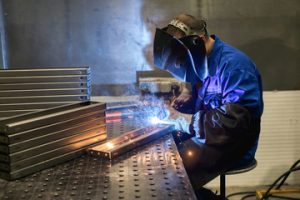
metal fabrication

In today’s industries, metal fabrication goes beyond simple construction. It defines strength, efficiency, and design integrity. From architectural forms to intricate components, fabrication supports everything. It’s the backbone of modern development. Contact 83MetalCraft LLC for professional help.

New technologies have reshaped how metals are formed and assembled. Automation and digital modeling now guide precision work. Fabricators rely on computer systems to create flawless dimensions. These advances minimize waste and human error.

The rise of advanced machinery has made fabrication more sustainable. Automated tools reduce excess material and energy use. Each step becomes calculated and efficient. Sustainability now plays a key role in production.

Modern fabrication also includes lightweight innovation. Metals are shaped to be strong yet efficient. This shift supports industries focused on mobility and energy use. Every piece serves a function without unnecessary weight.

Skilled fabricators are the artists behind industrial progress. Their expertise bridges engineering and design. They interpret digital plans into tangible results. Each project becomes a proof of technical artistry.

Metal fabrication thrives on adaptability. Different projects demand unique alloys and methods. Fabricators must understand how each metal reacts to stress and heat. This knowledge ensures both beauty and durability.

Cutting-edge fabrication methods now rely on precision lasers. These tools deliver perfect lines and minimal distortion. With controlled beams, even complex patterns are possible. The results show consistency from start to finish.

Welding, bending, and finishing remain vital skills in the field. Each step affects the final product’s integrity. Perfect alignment and smooth surfaces define quality. Experienced hands ensure no detail is overlooked.

In construction, metal fabrication shapes frameworks and supports. It creates the skeleton of strength within every structure. Without precise fabrication, buildings would lose stability. The unseen metalwork carries visible achievements.

Designers also depend on fabricators to realize their creative vision. Smooth edges, complex curves, and polished finishes highlight craftsmanship. The beauty of fabricated metal lies in its versatility. It fits both industrial and artistic purposes.

Automation in fabrication continues to evolve rapidly. Robots now handle repetitive and risky tasks. This ensures consistent results and safer workplaces. Human expertise then focuses on quality control and innovation.

Customization defines modern metal fabrication projects. Each client demands distinct measurements or finishes. Digital modeling allows real-time adjustments before production. This flexibility enhances precision and satisfaction.

Environmental awareness is reshaping fabrication philosophies. Waste reduction and recycling form part of each workflow. Reusable scraps return to the production line efficiently. The industry evolves toward greener operations.

Innovation in coatings also extends product life. Modern finishes resist corrosion and weathering more effectively. These treatments maintain both function and appearance. Longevity has become a standard measure of quality.

Fabrication supports renewable energy efforts worldwide. Metal components form the base of energy infrastructure. From mounting systems to enclosures, fabrication plays its part. Every project contributes to cleaner energy systems.

Artisans in metal fabrication often push boundaries of creativity. Sculptures and installations now merge with engineered precision. The same techniques used in industry shape beauty and meaning. It’s where technology meets expression.

The evolution of digital fabrication has changed production speed. Designs move from concept to completion in record time. Instant simulations detect flaws before physical work begins. This saves material and guarantees reliability.

Safety protocols are deeply embedded in fabrication culture. Handling heat, machinery, and sharp tools requires strict control. Professionals train extensively to reduce risks. Discipline ensures both efficiency and protection.

Precision measuring tools define modern fabrication standards. Micrometers and sensors check every contour and edge. The tolerance for error is almost zero. Such discipline turns raw metal into perfect geometry.

The industry’s success depends on collaboration. Engineers, designers, and fabricators communicate constantly. Their teamwork ensures that visions align with functionality. Every step relies on shared expertise and trust.

Lightweight metals have revolutionized structural possibilities. Aluminum and other alloys reduce bulk while maintaining strength. Fabricators use these materials to expand creative limits. The results are durable and efficient frameworks.

Fabrication also plays a critical role in maintenance industries. Damaged components can be rebuilt or reshaped with precision. Skilled metalworkers restore strength and integrity. This process extends the lifespan of valuable systems.

New research focuses on hybrid fabrication methods. Combining traditional welding with additive manufacturing opens possibilities. This blend enhances flexibility in production. The future lies in merging the best of both worlds.

The demand for customized fabrication continues to grow each year. Industries need specialized parts for unique machinery. Metal fabricators meet this demand through technical mastery. Adaptability keeps them relevant in a fast-changing world.

Training programs now emphasize digital literacy in fabrication. Workers learn to operate software and machinery together. The blend of hands-on and virtual skills drives innovation. The modern fabricator is both technician and designer.

Material science continues to push metal fabrication forward. New alloys resist heat, corrosion, and stress like never before. These breakthroughs redefine durability standards. Fabrication evolves in response to every discovery.

Fabricators contribute quietly to public safety and comfort. Bridges, vehicles, and machinery rely on their precision. Each weld and joint ensures reliability under pressure. Their work supports everyday life without recognition.

Recycling in fabrication plays a major role in resource management. Scrap metal returns to the cycle without loss of quality. Efficiency grows with every reused material. This supports environmental goals and economic sustainability.

The shift toward digital tracking enhances transparency. Each fabricated part now carries production data. It allows easy monitoring of performance and origin. Traceability strengthens accountability in the industry.

Aesthetic quality is now as important as mechanical performance. Modern clients expect both strength and style. Fabricators balance technical specifications with refined appearance. Every detail contributes to overall value.

Some fabrication projects now integrate smart technology. Sensors within structures monitor temperature or stress. This creates adaptive systems for long-term performance. Fabrication becomes part of intelligent design.

Innovation never stops within the metal industry. Research labs test new forming techniques daily. Pressure, heat, and automation continue to evolve. The goal is to achieve perfection with less effort and waste.

Education remains crucial for the next generation of metalworkers. Training centers equip learners with modern tools and theory. They prepare them for complex, evolving tasks. Skill continuity ensures the industry’s resilience.

Small-scale fabrication shops also benefit from digital transformation. Affordable tools make precision more accessible. These workshops produce high-quality results with minimal resources. Craftsmanship meets efficiency at every level.

Metal fabrication strengthens global industries silently. Every airplane, bridge, or device carries its influence. It connects technology and creativity under one purpose. That purpose is progress through precision.

Looking ahead, automation will dominate repetitive fabrication tasks. Humans will focus on creativity, design, and oversight. This balance will produce faster, more intelligent outcomes. The industry will remain both technical and artistic.

As sustainability deepens, recycling and renewable inputs will rise. Metal fabrication will lean toward circular production. Nothing will go to waste, and everything will find new use. It’s an evolution guided by responsibility.

The legacy of metal fabrication lies in its adaptability. From ancient forging to modern robotics, it keeps evolving. Each generation adds innovation to tradition. This continuity preserves both function and artistry.

At its core, metal fabrication represents creation through precision. It shapes not just materials but progress itself. The future will continue to rely on its quiet strength. Through fabrication, the world keeps building forward.

Must-Know Construction Upgrades That Make Any Property Feel More Modern

Modern Coen Construction is no longer just about building something new — it’s about creating spaces that feel efficient, functional, and visually refined. As design trends evolve and technology advances, property owners are discovering that strategic upgrades can dramatically transform both appearance and performance. Whether the goal is to improve comfort, increase long-term value, or refresh outdated features, thoughtful construction improvements can redefine how a space looks and works. Instead of focusing on purely cosmetic changes, modern upgrades combine smart engineering, durable materials, and intentional design choices that stand the test of time.

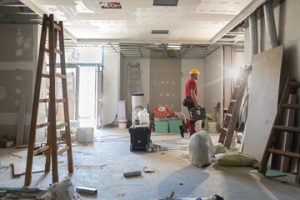
construction

One of the most impactful shifts in construction today is the emphasis on clean, streamlined aesthetics. Modern properties often prioritize simplicity, open layouts, and balanced proportions. Walls that once divided rooms are now replaced with larger, flowing spaces that allow natural light to move freely. This approach not only enhances visual appeal but also improves everyday functionality. By integrating structural modifications such as wider openings, improved ceiling designs, and cohesive flooring transitions, properties begin to feel more spacious without necessarily increasing their footprint. These upgrades reflect a broader trend toward minimalism, where fewer visual interruptions create a calmer and more sophisticated environment.

Another major upgrade that instantly modernizes a property is the improvement of energy efficiency through advanced construction techniques. Today’s building practices focus heavily on insulation performance, air sealing, and high-quality materials that regulate indoor temperatures more effectively. Enhanced wall systems, energy-conscious window placements, and reflective roofing materials can significantly reduce heat transfer. As a result, properties remain comfortable throughout varying weather conditions while lowering long-term operating costs. These improvements may not always be visible at first glance, but they contribute to a more modern lifestyle by supporting sustainability and reducing environmental impact.

Exterior upgrades also play a crucial role in making any property feel contemporary. Outdated facades can often be transformed through updated cladding materials, geometric design elements, and layered textures that add depth without overwhelming the structure. Modern construction favors durable finishes that resist weather damage while maintaining a sleek appearance over time. Combining materials such as engineered panels, refined metal accents, or smooth concrete surfaces creates visual contrast that feels intentional rather than excessive. Even subtle changes, like reconfiguring entryways or enhancing outdoor lighting, can elevate curb appeal and establish a stronger architectural identity.

Technology integration has become one of the defining features of modern construction. Smart systems are no longer considered luxury additions; they are practical upgrades that improve convenience and efficiency. Automated lighting controls, energy-monitoring systems, and climate management tools allow property owners to customize their environment with precision. These features work seamlessly behind the scenes, reducing energy waste while providing a higher level of comfort. By incorporating smart-ready wiring and adaptable infrastructure during construction upgrades, properties remain future-proof and capable of evolving alongside technological advancements.

Interior finishes are another area where thoughtful upgrades can make a significant difference. Modern spaces often rely on cohesive material palettes that create visual harmony from room to room. Neutral tones, matte textures, and subtle contrasts help maintain a clean and timeless aesthetic. Upgrading cabinetry, installing flush-mounted fixtures, or replacing bulky design elements with streamlined alternatives instantly refreshes interiors. Rather than following short-lived trends, modern construction focuses on longevity — choosing materials that age gracefully and maintain their appeal even as styles change.

When planning modernization projects, certain upgrades consistently deliver noticeable results. Some of the most effective improvements include:

  1. Open-Concept Structural Adjustments – Removing unnecessary barriers between living areas increases natural light and creates a sense of flow that feels contemporary and inviting.
  2. Energy-Efficient Windows and Doors – Upgraded glazing systems enhance insulation while allowing more daylight, reducing reliance on artificial lighting.
  3. Modern Lighting Layouts – Layered lighting designs that combine ambient, task, and accent illumination add depth and functionality to every room.
  4. Sustainable Material Choices – Durable surfaces that require less maintenance support long-term value and align with environmentally conscious construction practices.

Beyond aesthetics and technology, modern construction upgrades also emphasize adaptability. Properties today must accommodate changing lifestyles, from flexible workspaces to multi-purpose rooms that can evolve. Movable partitions, modular storage systems, and adaptable layouts allow spaces to shift without major renovations. This level of flexibility is especially valuable for property owners who want to maximize usability while maintaining a cohesive design. Instead of committing to rigid floor plans, modern construction embraces versatility, ensuring that properties remain functional for years to come.

Outdoor living enhancements have also become a defining feature of contemporary properties. Well-designed exterior areas blur the line between indoor and outdoor environments, creating seamless transitions that expand usable space. Covered patios, integrated seating, and durable outdoor surfaces provide comfort while maintaining a clean architectural look. Modern construction often incorporates landscaping features that complement the structure rather than compete with it, using natural textures and simple layouts to create a balanced atmosphere. These upgrades not only enhance visual appeal but also encourage more time spent outdoors, adding value to the overall living experience.

Another important consideration is the role of structural durability in modern upgrades. While aesthetic improvements attract attention, long-lasting construction methods ensure that properties remain safe and reliable. Reinforced frameworks, improved waterproofing systems, and advanced ventilation designs contribute to healthier indoor environments. These enhancements reduce the likelihood of costly repairs while supporting a more comfortable and secure space. By prioritizing durability during modernization projects, property owners achieve a balance between style and substance — a key characteristic of contemporary construction.

Storage solutions are often overlooked but can significantly influence how modern a property feels. Built-in shelving, concealed compartments, and streamlined cabinetry reduce visual clutter while improving organization. Instead of adding bulky furniture, integrated storage systems become part of the architecture itself. This approach aligns with modern design principles that favor clean lines and functional simplicity. When storage blends seamlessly into walls or underutilized areas, rooms appear larger and more cohesive, reinforcing the overall sense of modernization.

For those considering upgrades, it’s helpful to focus on improvements that deliver both immediate and long-term benefits. Some strategic construction changes include:

  1. Upgraded Insulation and Ventilation Systems – Enhancing airflow and temperature control improves comfort and reduces energy usage.
  2. Durable Flooring Materials – Replacing worn surfaces with long-lasting alternatives provides a fresh appearance while minimizing maintenance.
  3. Contemporary Stair and Railing Designs – Sleek structural elements introduce architectural interest without overwhelming the space.
  4. Integrated Outdoor Lighting – Subtle illumination enhances safety while highlighting modern design features after dark.

Modern construction upgrades also reflect a growing awareness of wellness and environmental responsibility. Improved air quality systems, natural lighting strategies, and non-toxic building materials contribute to healthier indoor spaces. Large windows and thoughtfully positioned openings allow fresh air to circulate more effectively, creating an environment that feels both open and rejuvenating. These upgrades go beyond visual trends, addressing the deeper needs of comfort and well-being that define modern living.

Budget considerations often influence which upgrades are prioritized, but modernization doesn’t always require extensive reconstruction. Even smaller improvements, such as updating fixtures, refining wall finishes, or improving lighting placement, can create a noticeable transformation. The key is maintaining consistency throughout the property. When materials, colors, and structural elements work together, the result feels intentional rather than pieced together over time. Strategic planning ensures that each upgrade contributes to a unified vision, maximizing impact without unnecessary expense.

Ultimately, modernizing a property through construction upgrades is about creating spaces that reflect current lifestyles while remaining adaptable for the future. By focusing on energy efficiency, smart technology, durable materials, and thoughtful design, property owners can achieve a balance between innovation and practicality. The most successful upgrades are those that enhance everyday living while preserving long-term value. As construction techniques continue to evolve, properties that embrace these modern improvements stand out not just for their appearance but for the comfort, efficiency, and versatility they provide.

Investing in the right construction upgrades transforms more than just the look of a property — it reshapes how the space is experienced. From open layouts and sustainable materials to smart systems and refined finishes, each improvement contributes to a cohesive, modern environment. With careful planning and attention to detail, any property can evolve into a space that feels contemporary, functional, and built for the future.

Navigation