Author: Stanley Hayes

How to Use Beams and Joists in Deck Building

Before you build your deck, check with local building authorities to find out what setbacks and permit requirements exist for raised decks. Also, learn the location of your property line so you don’t accidentally build over it.
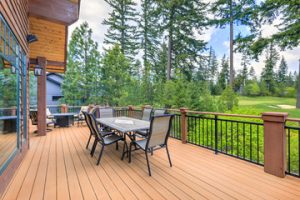
Deck Building

Focus on characters and a gold engine, and be sure to include some type of locations for your character engine. Avoid attachment hate and location hate, too – these can wreak havoc on your overall win percentage. Contact Deck Builders Murfreesboro TN for professional help.

In the world of building, beams are structures that primarily resist loads applied laterally across their lengths. Beams are commonly associated with structural engineering, but any structure that requires lateral support can benefit from the use of a beam. These structures include buildings, machine frames, automobile components, and more.

When it comes to deck building, beams are an integral component in creating a safe and sturdy structure that can withstand the load of people and furniture. When properly designed and built, a deck’s beams can help create an open-concept space while maintaining its structural integrity. Beams also provide a critical role in deck-to-post connections, distributing weight throughout the deck and preventing stress from being concentrated on any one area.

To ensure your deck’s beams are strong and safe, they must be sized correctly to handle the weight you’ll place on them. Incorrectly sizing your beams can lead to sagging, which reduces the deck’s lifespan and safety. To avoid this, be sure to follow the manufacturer’s guidelines and check your local building codes when determining beam span requirements.

There are a few factors that determine how far a beam can safely span, including the type and size of lumber used, its strength, and the weight it must carry. Beams made of stronger wood types or higher-grade lumber can often span longer distances without sagging. In addition, the length of joists placed between each beam should be considered when calculating beam spans. Longer joists increase the amount of weight a beam must support, and not factoring this in can result in under-sized beams that aren’t up to the task.

In addition to choosing the right wood type and size, you must also install blocking in a zigzag pattern between joists to prevent them from shifting under pressure. Blocking should be installed every 4′ to 6′ in a zigzag pattern. It’s also a good idea to use metal connectors when connecting the beams to the posts to further increase the strength of your deck’s frame. This will not only prevent bending and twisting, but it will also keep your deck safe from the effects of a seismic event.

Joists

Joists are the structural elements that support your deck’s frame and boards. They’re responsible for carrying the weight of your deck, furniture and other items placed on it, as well as the pressure of foot traffic. The joists span outward from the beams, which distributes the weight to a large area rather than one single point. Joists are typically made from timber, such as a treated softwood that’s preservative-treated for ground contact and rated to Use Class 4.

The joists are spaced evenly apart, which helps prevent excessive stress or deflection over time. A joist is also built with a deeper cross section, which allows it to carry a greater amount of weight before buckling or failing. Joists can either be nailed directly to the deck’s ledger boards or fastened to the concrete foundation using structural screws.

When it comes to joists, bigger is better. Having more of them means that your floor or ceiling will be able to handle heavier loads without sagging. For the same reason, larger joists require more material and are more expensive than their smaller counterparts.

In addition to their load-bearing capacity, joists must also be durable and weatherproof. This is especially important for decks in coastal regions, where exposure to the elements can cause them to rot or damage over time. To ensure that your deck is safe and stable, make sure to perform regular inspections of the frame and all components.

There are different types of joists, depending on the needs of your project. For example, some joists are shaped to match the slope of your deck, which can be useful for projects with a shallower slope. Similarly, some joists are designed to be used as beams for porches or balconies.

Joists are often installed with blocking, which is pieces of lumber or a wood block that’s installed between joists. This is essential to the anatomy of a deck, as it provides additional stability and prevents twisting or movement over time. It also distributes the load evenly across multiple joists, which can help to reduce sagging or warping of your deck over time.

Posts

Posts serve a dual purpose in deck construction: they transfer the weight of the deck and anything on it (people, furniture, snow) to the ground and help prevent sagging or structural failure. They’re typically made of treated lumber, although steel supports are sometimes used for higher decks.

A deck’s load requirements, design, and where it’s built will determine post size. Posts sit under the deck beams and connect to concrete footings that are sunk into the ground. The larger the deck’s load requirement, the taller the posts need to be.

Ideally, a post should be made from pressure-treated southern yellow pine. It should have a label that states it’s suitable for ground contact and should be pre-treated to minimize the risk of termite infestation and wood rot. A quality deck builder will know the exact size and type of posts required for a given project and install them correctly. Using a post level, the builder can check that each post face is plumb before installing.

Spacing between support posts is also an important consideration. Too far apart, a deck will sag; too close, it’ll require extra diagonal bracing and may fail under load. Check with your local building codes and consult a span table to determine the maximum distance between post locations, depending on joist size and span and deck height.

Screw Pile

A foundation is one of the most important parts of any structure, and a deck is no exception. Without a strong foundation, even the most impressive building can crumble in a heartbeat. Using screw piles for your deck can ensure that your foundation will be durable and long-lasting. Screw piles are also more resilient to weather-related damage, like freezing temperatures and storms, than concrete.

Screw piles are also easier to install than concrete foundations. When it comes to deck building, time is money, and having a system that saves you time can help reduce costs and increase productivity. Unlike poured concrete, screw piles don’t require time to set or cure, so you can start building your deck as soon as the piles are installed. This is especially helpful in Winnipeg, where the temperature can drop drastically in the winter and it’s not possible to pour concrete at all during that period.

How Do Screw Piles Support a Deck?

Screw piles, also known as helical piles in the north, are an efficient and cost-effective foundation option for your new deck. They are long, steel shafts that have helixes at the top, and they are rotated into the ground by earth-moving machinery. They can be anchored into various types of soil, and their design is flexible to accommodate different load requirements.

Unlike traditional drilled piles, screw piles are designed to penetrate deep into the ground. They bypass soft soil top layers and anchor into firm ground beneath, ensuring that your foundation will be strong and stable for years to come. They also distribute your building’s weight over a larger area of the ground, so it’s less likely to sink or move over time.

Another benefit of screw piles is that they are more environmentally friendly than drilled or driven piles. The process of installing a screw pile involves less digging and muck-away than drilled or driven piles, so it reduces the environmental impact of your project. Screw piles also have a lower embodied energy and work well in a variety of soil conditions, which makes them an excellent choice for remote sites.

Cost of Hiring a Deck Builder

A well-built deck adds value to your home and can last for years. To find a good contractor, do your research and ask the right questions.

Be suspicious of low estimates; they could indicate shortcuts or hidden fees. Choose a builder like J&R Construction who communicates clearly, understands Michigan construction codes and offers a warranty.

Materials

Unlike some DIY projects, deck building requires the use of premium materials to ensure structural integrity and longevity. Depending on your design, this may include pressure-treated lumber for the framework and top-quality plywood for decking, rails, and stairs. Additionally, you will need sealers and stains that are compatible with your chosen material. This is why hiring a professional contractor is often a smarter choice. Contractors can offer advice on the best products to use and can handle the permit process, which saves you time and money by removing the hassle of dealing with local authorities.

Professional builders also have a deep understanding of local building codes and safety regulations, so they can help you select the right materials to meet your needs. They can also advise on construction techniques and best practices that will reduce the risk of future problems or fines. Additionally, they have access to a network of trusted suppliers and can secure quality materials at competitive prices.

Another reason to hire a professional is that they can build your deck faster than you can on your own. This can save you time and money by allowing you to enjoy your outdoor space sooner. Professional contractors typically have a variety of tools and carpentry skills that can speed up the process. Additionally, they can handle the permitting and inspection process, which saves you time and money.

Hiring a professional deck builder is an investment in the long-term value of your home. By choosing premium materials and skilled construction, your deck will last longer and add more functionality to your living space. Ultimately, this will increase your property value and make it easier to sell your home in the future.

Labor

Decks offer an affordable way to expand your home’s living space and add value at the same time. In fact, a well-designed deck can return 60-70% of its cost at resale. But how much does it really cost to build a deck? Understanding the different factors that impact the total cost can help you plan and budget for your project.

One of the biggest cost drivers is the type of materials used. Pressure-treated wood is the most economical choice, typically ranging from $3 to $6 per square foot. This lumber is treated to protect it from rot and fungus. However, it requires regular maintenance to keep it looking good and performing well. If you want a more natural look, consider cedar or redwood instead. Both are more expensive than pressure-treated wood, but they last longer and are less likely to splinter.

The deck’s design also impacts material costs. A simple rectangular platform is cheaper than a more complex design, which can require additional framing and a reinforced foundation. Additionally, integrating custom features like built-in benches, a pergola, or a hot tub can quickly add up to the final price tag.

The project’s location can also have a big impact on labor costs. If the backyard is difficult to access, it will take more time and effort to get materials and equipment to the construction site. Similarly, if the existing yard has buried utility lines, these will need to be located before any digging can start. This process can add up to $1,000 in fees and is often overlooked in initial quotes. Be sure to work with vetted contractors who provide accurate, all-inclusive quotes from the start.

Permits

Building a new deck is a great way to expand your outdoor living space at a lower cost than a structural addition and add value to your home. It’s also a project that can be easily taken on by homeowners, but it’s important to remember that you may need permits and must follow local regulations when building your deck.

Local building and zoning regulations vary, but most decks will require a permit to build. You may also need a permit to replace an existing deck or patio. Some minor alterations and repairs can be done without a permit, but it’s best to check with your local officials for specifics.

The first step in obtaining a permit is to submit a set of detailed plans. These include an overhead view of the deck, a drawing showing how the deck will be attached to your house, and a site plan that shows the location of the deck on your property. You can use deck planning software or hand draw your plans, but make sure that the scale is correct.

Once the plans are approved, you can begin construction. The permit will state the maximum height and width of the deck, as well as any other requirements for materials and safety features. For instance, if your deck will be built over a pool, it must meet code requirements for railings and baluster spacing.

If you build your deck without a permit, you may be subject to fines and stop work orders. You may need to apply for a retroactive permit, submit as-built plans, pay penalties, and pass inspections to bring the structure into compliance. The good news is that most contractors will take care of all of this paperwork for you, but be sure to double-check to ensure that they’re getting the right documents and following the proper guidelines.

Insurance

In addition to licensing and work experience, contractors should have specialized deck builder insurance that addresses unforeseen risks associated with this type of construction. While working outdoors, construction projects are vulnerable to damage caused by wind, rain or snow, and materials can be accidentally damaged by heavy machinery or tools. Having sufficient coverage helps contractors maintain financial stability, so they can continue the project without delay.

The best way to find a reliable deck builder is by getting referrals from friends and neighbors who have recently had their own decks built. They can tell you what their experiences were like and recommend if the contractor was professional, helpful, communicative and open to questions during the process. Additionally, look for a contractor with an online portfolio and social media presence where you can see examples of their past work. Having a varied and high-quality portfolio is an important indicator of their skills and abilities.

Another factor to consider is whether the deck builder is a TrexPro builder, which means they regularly work with Trex products and can offer additional labor warranties in addition to the manufacturer’s warranty. This can help you reduce the overall cost of your deck by reducing the need for maintenance and repairs.

While the average cost of hiring a deck builder can vary, knowing what to expect can help you plan your budget and make the right decisions for your project. By taking the time to find a reputable contractor with the right insurance, you can ensure that your project will be completed on schedule and on budget. By following these tips, you can get the most value from your investment and enjoy your new deck for years to come.

Warranty

A deck is a great addition to any home and can increase property value. However, it can be expensive to build one. There are several factors that determine the cost of a deck, including square footage, materials and labor. It is important to understand these factors to budget properly for the project.

Another factor that influences the cost of a deck is design extras. These include things like a hot tub, pergola or built-in seating. These features can add up quickly and increase the overall price of the project. Choosing a quality contractor is also key to keeping costs low. Look for a team that specializes in eco-friendly materials and offers full-service management, including permitting and HOA approvals. Also, prioritize companies that offer transparent quotes and Brian-level oversight.

Depending on the type of deck you choose, material expenses can be substantial. Pressure-treated pine is a good option for an inexpensive wood deck, while cedar and redwood are more durable. Natural hardwoods like ipe can last for decades but require more upkeep than other types of wood. Composite decking is less expensive than natural wood and is resistant to insect damage and rot.

Most warranties have exclusions for damage caused by “acts of God” and other events that are out of the contractor’s control. It is important to discuss warranty coverage with your builder to understand what is covered and what is not.

While it is possible to save on these costs by doing a DIY deck, it’s better to invest in a professional contractor that will be licensed and insured. In the end, you’ll get a higher quality deck that’s more durable and can recoup 85% of its cost in home resale value.

Navigation