Modern Coen Construction is no longer just about building something new — it’s about creating spaces that feel efficient, functional, and visually refined. As design trends evolve and technology advances, property owners are discovering that strategic upgrades can dramatically transform both appearance and performance. Whether the goal is to improve comfort, increase long-term value, or refresh outdated features, thoughtful construction improvements can redefine how a space looks and works. Instead of focusing on purely cosmetic changes, modern upgrades combine smart engineering, durable materials, and intentional design choices that stand the test of time.
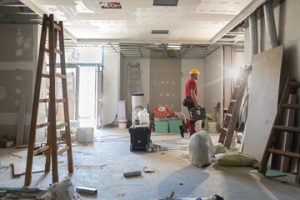
One of the most impactful shifts in construction today is the emphasis on clean, streamlined aesthetics. Modern properties often prioritize simplicity, open layouts, and balanced proportions. Walls that once divided rooms are now replaced with larger, flowing spaces that allow natural light to move freely. This approach not only enhances visual appeal but also improves everyday functionality. By integrating structural modifications such as wider openings, improved ceiling designs, and cohesive flooring transitions, properties begin to feel more spacious without necessarily increasing their footprint. These upgrades reflect a broader trend toward minimalism, where fewer visual interruptions create a calmer and more sophisticated environment.
Another major upgrade that instantly modernizes a property is the improvement of energy efficiency through advanced construction techniques. Today’s building practices focus heavily on insulation performance, air sealing, and high-quality materials that regulate indoor temperatures more effectively. Enhanced wall systems, energy-conscious window placements, and reflective roofing materials can significantly reduce heat transfer. As a result, properties remain comfortable throughout varying weather conditions while lowering long-term operating costs. These improvements may not always be visible at first glance, but they contribute to a more modern lifestyle by supporting sustainability and reducing environmental impact.
Exterior upgrades also play a crucial role in making any property feel contemporary. Outdated facades can often be transformed through updated cladding materials, geometric design elements, and layered textures that add depth without overwhelming the structure. Modern construction favors durable finishes that resist weather damage while maintaining a sleek appearance over time. Combining materials such as engineered panels, refined metal accents, or smooth concrete surfaces creates visual contrast that feels intentional rather than excessive. Even subtle changes, like reconfiguring entryways or enhancing outdoor lighting, can elevate curb appeal and establish a stronger architectural identity.
Technology integration has become one of the defining features of modern construction. Smart systems are no longer considered luxury additions; they are practical upgrades that improve convenience and efficiency. Automated lighting controls, energy-monitoring systems, and climate management tools allow property owners to customize their environment with precision. These features work seamlessly behind the scenes, reducing energy waste while providing a higher level of comfort. By incorporating smart-ready wiring and adaptable infrastructure during construction upgrades, properties remain future-proof and capable of evolving alongside technological advancements.
Interior finishes are another area where thoughtful upgrades can make a significant difference. Modern spaces often rely on cohesive material palettes that create visual harmony from room to room. Neutral tones, matte textures, and subtle contrasts help maintain a clean and timeless aesthetic. Upgrading cabinetry, installing flush-mounted fixtures, or replacing bulky design elements with streamlined alternatives instantly refreshes interiors. Rather than following short-lived trends, modern construction focuses on longevity — choosing materials that age gracefully and maintain their appeal even as styles change.
When planning modernization projects, certain upgrades consistently deliver noticeable results. Some of the most effective improvements include:
- Open-Concept Structural Adjustments – Removing unnecessary barriers between living areas increases natural light and creates a sense of flow that feels contemporary and inviting.
- Energy-Efficient Windows and Doors – Upgraded glazing systems enhance insulation while allowing more daylight, reducing reliance on artificial lighting.
- Modern Lighting Layouts – Layered lighting designs that combine ambient, task, and accent illumination add depth and functionality to every room.
- Sustainable Material Choices – Durable surfaces that require less maintenance support long-term value and align with environmentally conscious construction practices.
Beyond aesthetics and technology, modern construction upgrades also emphasize adaptability. Properties today must accommodate changing lifestyles, from flexible workspaces to multi-purpose rooms that can evolve. Movable partitions, modular storage systems, and adaptable layouts allow spaces to shift without major renovations. This level of flexibility is especially valuable for property owners who want to maximize usability while maintaining a cohesive design. Instead of committing to rigid floor plans, modern construction embraces versatility, ensuring that properties remain functional for years to come.
Outdoor living enhancements have also become a defining feature of contemporary properties. Well-designed exterior areas blur the line between indoor and outdoor environments, creating seamless transitions that expand usable space. Covered patios, integrated seating, and durable outdoor surfaces provide comfort while maintaining a clean architectural look. Modern construction often incorporates landscaping features that complement the structure rather than compete with it, using natural textures and simple layouts to create a balanced atmosphere. These upgrades not only enhance visual appeal but also encourage more time spent outdoors, adding value to the overall living experience.
Another important consideration is the role of structural durability in modern upgrades. While aesthetic improvements attract attention, long-lasting construction methods ensure that properties remain safe and reliable. Reinforced frameworks, improved waterproofing systems, and advanced ventilation designs contribute to healthier indoor environments. These enhancements reduce the likelihood of costly repairs while supporting a more comfortable and secure space. By prioritizing durability during modernization projects, property owners achieve a balance between style and substance — a key characteristic of contemporary construction.
Storage solutions are often overlooked but can significantly influence how modern a property feels. Built-in shelving, concealed compartments, and streamlined cabinetry reduce visual clutter while improving organization. Instead of adding bulky furniture, integrated storage systems become part of the architecture itself. This approach aligns with modern design principles that favor clean lines and functional simplicity. When storage blends seamlessly into walls or underutilized areas, rooms appear larger and more cohesive, reinforcing the overall sense of modernization.
For those considering upgrades, it’s helpful to focus on improvements that deliver both immediate and long-term benefits. Some strategic construction changes include:
- Upgraded Insulation and Ventilation Systems – Enhancing airflow and temperature control improves comfort and reduces energy usage.
- Durable Flooring Materials – Replacing worn surfaces with long-lasting alternatives provides a fresh appearance while minimizing maintenance.
- Contemporary Stair and Railing Designs – Sleek structural elements introduce architectural interest without overwhelming the space.
- Integrated Outdoor Lighting – Subtle illumination enhances safety while highlighting modern design features after dark.
Modern construction upgrades also reflect a growing awareness of wellness and environmental responsibility. Improved air quality systems, natural lighting strategies, and non-toxic building materials contribute to healthier indoor spaces. Large windows and thoughtfully positioned openings allow fresh air to circulate more effectively, creating an environment that feels both open and rejuvenating. These upgrades go beyond visual trends, addressing the deeper needs of comfort and well-being that define modern living.
Budget considerations often influence which upgrades are prioritized, but modernization doesn’t always require extensive reconstruction. Even smaller improvements, such as updating fixtures, refining wall finishes, or improving lighting placement, can create a noticeable transformation. The key is maintaining consistency throughout the property. When materials, colors, and structural elements work together, the result feels intentional rather than pieced together over time. Strategic planning ensures that each upgrade contributes to a unified vision, maximizing impact without unnecessary expense.
Ultimately, modernizing a property through construction upgrades is about creating spaces that reflect current lifestyles while remaining adaptable for the future. By focusing on energy efficiency, smart technology, durable materials, and thoughtful design, property owners can achieve a balance between innovation and practicality. The most successful upgrades are those that enhance everyday living while preserving long-term value. As construction techniques continue to evolve, properties that embrace these modern improvements stand out not just for their appearance but for the comfort, efficiency, and versatility they provide.
Investing in the right construction upgrades transforms more than just the look of a property — it reshapes how the space is experienced. From open layouts and sustainable materials to smart systems and refined finishes, each improvement contributes to a cohesive, modern environment. With careful planning and attention to detail, any property can evolve into a space that feels contemporary, functional, and built for the future.