Tag: remodeling

How to Choose the Right Painting Contractor for Your Home

Lone Tree Painting Contractor able to provide you with a pool of verifiable references from past customers. This will help you get an idea of how their previous work looks.

It is also important to ask the painting contractor about the quality of their products. This includes the paint itself and any primers or sealers that might be used.

Look at Their Portfolio
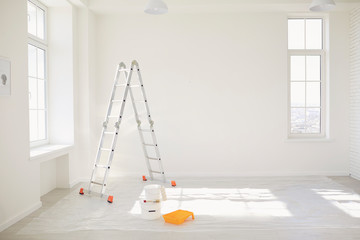
Painting Contractor

A professional painting contractor should have a portfolio that showcases past jobs. It’s important to include photos of different projects with detailed descriptions of the work performed. This allows potential customers to see what types of projects the contractor is capable of handling. It also gives them a chance to share their unique style and approach to the job.

Many painting contractors are used to hearing this question and will have contact information for satisfied clients willing to speak on their behalf. If not, there are plenty of free online platforms that offer authentic reviews that can help paint a picture.

When asking for references, you should be prepared with questions about the contractor’s timeliness, cleanliness, and professionalism. You may also want to ask about any problems that arose and how the contractor handled them. Lastly, you should make sure that any work performed is backed by a written estimate. This will protect both parties from misunderstandings during the job and ensure that all of the necessary details are clearly outlined.

While you should always listen to your friends and family’s recommendations, it’s also a good idea to check out a contractor’s reputation by searching for reviews online. It’s normal for people to have a mix of good and bad experiences, but looking at the overall picture can give you a clearer sense of what to expect. You may also want to look for a contractor with workers’ compensation insurance, as this will protect you in the event of any injuries that occur during the project. In addition, a painter who is licensed by your state or municipality is more likely to follow industry standards and regulations, which means that they are less likely to cut corners when it comes to safety.

Ask About Their Method

If you’ve ever dealt with a dishonest contractor or seen your paint job peeling months later, you know that there are more than just prices at stake when it comes to hiring painting professionals. The good news is that asking the right questions can help you avoid these issues and protect your home from bad results.

When reviewing your potential painting contractors, be sure to ask for references from previous clients and talk with them about their experiences. This will give you a feel for how honest and open their communication is, as well as whether or not they prioritize customer satisfaction.

It is also important to ask about the methods they use for surface preparation. This includes everything from sanding rough areas to patching holes and priming stained surfaces. It is common for contractors to leave out or gloss over these details in their quotes, which can lead to costly surprises down the road.

Another area that is often overlooked is the quality of the materials used. For example, some contractors may use cheaper paints to save money, but these lower-grade paints tend to show bleed through in a short period of time and don’t stand up as well to normal wear and tear. It’s a good idea to get a written contract that stipulates the type of materials to be used for the project.

Lastly, make sure your potential painting contractors are licensed and insured. This not only ensures that they meet certain basic qualifications, but it can also provide you with some leverage in the event of a dispute. Additionally, a licensed painting contractor should be able to provide you with a written guarantee of their work.

Get a Clear Idea of the Scope of Work

A reliable paint contractor will be able to describe their process in detail. They should be able to provide you with detailed timelines and explain any repairs that may be needed before painting begins. Ask for references from past clients and pictures of their work.

Pay attention to how much time the contractor takes evaluating your home’s exterior and interior. You want to make sure they take their time so that you get a realistic estimate for the job.

Ask each painter for references and photos of previous jobs that are similar to yours. This will help you see if they have the skills to match your vision and complete the project with quality results.

You can also ask each painter about their training, certifications, and professional affiliations. If they are members of industry associations, it’s likely that they are committed to delivering high-quality service and keeping up with best practices.

The type of work your painting contractor will do for you will determine the warranty that they offer. Some warranties will cover only the labor, while others include both the materials and the workmanship. Check with your local laws to see what your jurisdiction’s regulations are regarding warranty length and coverage.

A reputable contractor will be happy to share their insurance information, liability coverage, and workers’ compensation coverage with you. If they are reluctant to provide this information, it is a red flag and you should move on to another painter. They should also be willing to outline their scope of work in a written contract that is clear and comprehensive. This will prevent confusion and disputes down the line.

Check for Workers’ Compensation Insurance

Painting is a physical job, and the risks are real. Having the right insurance isn’t just about meeting legal requirements, it’s about protecting your home and peace of mind as you go through a project that could lead to costly accidents.

As you talk with potential painters ask to see their insurance certificates and double-check that they are up to date. It’s also a good idea to ask them for references, and contact the homeowners to find out more about their experience with the painter in question. The answers you get can give you valuable insight into the painter’s approach and quality of work.

A good painting contractor should take care to protect your property, including shrubs, driveways, roof, and floors, and clean up after each day of work. They should also use a dust mask when spraying, especially for topcoats.

You should also look at whether they can handle your job during a busy season, and their flexibility in scheduling. If your project is during a peak time and the painter has to book other jobs to finish yours they might not be able to meet your timeline or even provide an estimate at all.

Choosing a professional and reliable painter takes some preparation but can be well worth it in the long run. By asking the right questions and securing the necessary documents you can ensure that your project is done quickly and correctly, giving you the best value for your money. Be sure to check out our other blog posts for more information about choosing the right painting contractor for your needs. Thanks for reading!

Ask for a Guarantee

Homeowners can find themselves in a pickle when they hire a painting contractor who does poor work and then disappears. There are plenty of horror stories of projects that look great upon completion but quickly degrade or are unresponsive when there are issues, leaving homeowners with an expensive headache. This is why it’s essential to choose a reputable painting contractor who can provide the right level of service and quality for your specific needs.

It is a good idea to ask for references from past customers. It’s important to ask these people how they enjoyed working with the painter and whether they would use them again. Then, you can verify by calling the reference’s insurance company and asking for copies of their general liability and workers’ compensation insurance policies to make sure they are active and sufficient for the scope of work for your project.

When examining the estimates, be sure to note how the painter itemizes labor and materials. This will help prevent any unexpected costs during the project.

You should also ask the painting contractor about any warranties they offer. Ideally, they should offer a one-year warranty on their work. However, some sneaky contractors try to get around this by not providing a warranty at all or by adding a line about the warranty in their proposal without actually explaining what it covers.

It is also a good idea to ask about the process for scheduling and coordinating with the painting team, especially for interior projects. This can make a big difference to your daily schedule and the ease with which you are able to get your project done within your desired timeframe.

Two-Tone Painted Cabinets: A Trend Worth Trying

Two-tone cabinets are more than just a trend—they add depth and character to your kitchen. With endless options for color, wood tones, and finishes, they’re a design-forward choice that can elevate any space.

Cabinet Painting

Dark colors on lower cabinetry help ground the space, while white or light neutrals make the uppers feel airy and open. This creates an aesthetically balanced kitchen that feels modern and timeless. Visit Modesto Cabinet Painters for more information.

Traditional cabinetry is often designed to be neutral, relying on wood tone or white finishes and matching hardware. However, homeowners are increasingly experimenting with two-tone painting for a more customized look that will set their kitchen apart. House Digest spoke with Veronica Solomon, principal designer at Casa Vilora Interiors in Wynantskill, New York, to learn more about this trend and get her advice for those considering giving it a go.

When selecting a color for your two-tone cabinets, start by looking at the color wheel. Colors that are opposite each other on the wheel—like blue and green or red and yellow—are considered complementary, meaning they work well together. In addition, it’s a good idea to consider your flooring, countertops, and backsplash when choosing colors for the upper and lower cabinets. Stainless steel sinks are a popular option that can coordinate with both light and dark cabinet colors.

Some homeowners also choose to stain some of their lower cabinets while painting the rest, a design style known as a “tuxedo kitchen.” While this isn’t a color choice that will appeal to all buyers, it can create a sophisticated look that will feel classic and timeless.

Another option is to combine warm wood tones with white or even a soft pink for an eclectic look that’s both contemporary and fun. “It’s a way to add a pop of color without making it too bold,” Solomon says. “It’s also a great backdrop for characterful crockery and glassware.”

Styling Two-Tone Cabinets

Styling your two-tone cabinets can be challenging, but the right combination will create an eye-catching, balanced design. To keep the look cohesive, choose a lighter color for the backsplash and floor to tie the different shades together. Then, select a darker color for the island to create contrast and visual intrigue.

While the two-tone cabinet trend is having a moment, it’s important to remember that color matters when it comes to resale value. Soft neutrals and natural tones will likely be more appealing to buyers than high-contrast black and white or bold, trendy colors. Additionally, if your home has a lot of natural light, you may want to consider leaving the ceiling white to make the space feel larger.

Natural Light

Two-tone cabinets make a bold statement in kitchens that receive plenty of natural light. However, the success of this design element hinges on careful consideration of color relationships and intentional color distribution. Ideally, the lighter shade should appear on upper cabinets to brighten and elevate a room, while darker hues ground base cabinetry. This balance helps the overall look feel polished and calming, even in larger, more open spaces.

While a classic white-upper/dark-lower combination remains popular, homeowners are now branching out with more creative color pairings. Sage green upper cabinets, for example, pair with white or cream lowers to create a fresh, nature-inspired palette that feels both modern and timeless. In a well-lit kitchen, the green tones shift and intensify with the changing natural light throughout the day, making for a living, breathing color story that never feels too busy or overpowering.

Choosing an island cabinet in a standout shade, like emerald or charcoal, creates a striking focal point that draws the eye without overwhelming the rest of the kitchen. This technique can also help zone an open-plan layout by creating a clear visual connection between kitchen zones.

For those who want to try a more subdued approach, consider a light or grey-blue combination for upper cabinets with neutral shades on the lowers. This simple yet sophisticated combination is versatile and timeless, paired with stone, wood, or tile countertops.

A black-and-white combination is another go-to option that never goes out of style. The classic pairing pairs dramatic contrast with clean, crisp lines to create a sleek, high-end aesthetic with enduring market appeal.

As the popularity of two-tone painted cabinets continues to grow, kitchen designers are recommending that homeowners carefully consider the location and direction of their homes’ natural light. North-facing kitchens, for example, typically receive cooler, more consistent light that can cause warm colors to appear muted and cool shades to become more vibrant. To counteract this effect, it may be necessary to select a slightly warmer shade for the island cabinetry and a cooler tone for the base cabinets.

To keep your two-tone kitchen looking fresh and balanced, it’s important to choose cabinet brands that deliver quality craftsmanship and durable finishes. Brands like Shiloh, Waypoint, and Golden Home Cabinetry offer a variety of wood-grain and painted finish options that provide the diversity needed for successful mixed-material designs. Their attention to detail in both construction and finish application ensures long-lasting beauty, while their affordable price points make it possible for homeowners to achieve a high-end look within any budget.

Space

Cabinets are the focal point of kitchens, so homeowners often want them to be showstoppers. Two-tone painted cabinets can make a statement that defines the space and highlights details such as custom trims and woodworking. They’re a smart design choice that also provides flexibility for future updates.

While many homeowners choose to use different colors of paint to create a two-tone look, this trend can also be achieved through the use of varying shades or finishes of the same color. The color choices available are endless, and the result is still a dramatic impact on the kitchen’s visual aesthetic.

The key to successful two-tone cabinetry is balance and proportion. Symmetrical arrangements work well in traditional kitchen layouts and create formal, orderly compositions, but more contemporary approaches can benefit from asymmetrical balance that focuses on strategic color placement rather than mirror-image symmetry. The relationship between cabinet colors and other kitchen elements also influences balance. Dark countertops require darker cabinets than light ones, for example, to achieve proper contrast and visual grounding in the kitchen design.

Decorative elements such as backsplashes, lighting, and furniture should match or complement the colors of two-tone cabinets for a unified appearance. Achieving this design consistency across all decorative elements helps ensure that two-tone cabinets remain a stylish and sophisticated design option over time.

Homeowners are using the versatility of two-tone cabinetry to visually separate kitchen zones, creating distinct areas for food preparation and cooking while improving workflow and kitchen efficiency. A two-tone design can also be used to define kitchen features such as a breakfast bar or coffee station, providing additional functionality that increases the overall usability of the kitchen.

The bold colors and striking contrasts of two-tone cabinets offer a stylish and unique style that stands out from the crowd. The design flexibility offered by this trend also makes it a wise upgrade for existing kitchens, especially when the new paint color doesn’t require an entire overhaul. For example, painting an island in a vibrant shade like navy blue or olive green while keeping the surrounding cabinets white is a great way to add a pop of color without a major investment.

Budget

As a design trend that moves beyond a passing fad, two-tone painted cabinets offer a unique opportunity to personalize your kitchen space. However, this aesthetic requires careful coordination with countertops and backsplashes to create cohesive spaces. This approach offers a cost-effective way to add visual interest and dimension within open-concept living areas.

The popularity of this trend reflects homeowners’ desire to make their homes feel uniquely individualized without the expense of a major kitchen renovation. This design style also complements contemporary design philosophy, which emphasizes the importance of establishing distinct zones within large kitchen spaces. Two-tone cabinetry supports this philosophy by clearly defining different functions and highlighting the unique aesthetic of individual cabinets.

When implemented correctly, this design strategy also offers several practical benefits. For example, choosing lighter shades for upper cabinets can keep spaces feeling bright and airy, while darker shades work well on lower cabinetry to create visual contrast and ground the design. Additionally, using a neutral color like gray on the island helps conceal wear and tear that might otherwise detract from the overall look.

In addition to color, the finish of your cabinets plays a role in the effectiveness of your two-tone design. Glossy surfaces tend to reflect more light, making them easier to clean, while matte finishes are more durable and provide a timeless aesthetic. In addition, matching hardware can help tie your two-tone color scheme together.

Another popular option is to stain certain cabinet elements while painting others. This technique allows you to highlight natural wood grain and create a striking accent on a focal point such as an island or breakfast bar while maintaining white or neutral upper cabinets. Alternatively, you can choose to paint all of your cabinets, including the island, and pair them with a boldly eye-catching countertop or backsplash for a dramatic effect.

Bold green cabinet colors have emerged as one of the most compelling trends in 2025, combining nature-inspired hues with natural wood elements to create kitchens that feel both modern and rustic. Cooler green tones pair beautifully with light wood species, while warmer tones complement richer wood tones. This pairing successfully bridges the gap between rustic warmth and contemporary sophistication, ensuring that your kitchen feels beautifully balanced and cohesive.

Navigation